


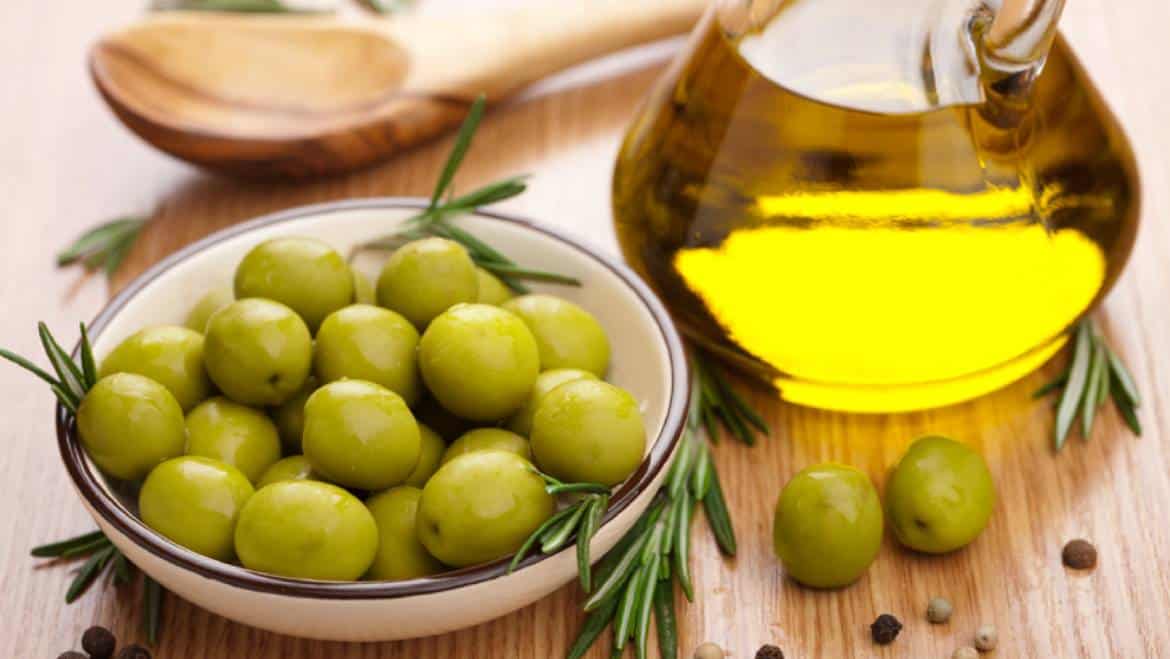
Over the past decade, nearly everyone has been talking about the benefits of olive oil. Made by pressing olives, this versatile oil is rich in healthy fats, antioxidants, and vitamins. Apart from being a good cooking oil for heart health and overall well-being, it also supports the skin and hair. Let’s take a closer look at the different types of olive oil and their uses.
Why Olive Oil Is Considered a Healthy Choice
Olive oil is widely recognised as a key component of the Mediterranean diet. It provides healthy monounsaturated fats (MUFAs) and naturally occurring antioxidants that support overall health.
Some of the key benefits of olive oil include:
- Supports heart health as part of a balanced diet
- Rich in antioxidants that help protect cells from oxidative stress
- Contains vitamin E, which contributes to healthy skin
- May help support healthy blood sugar levels
- A versatile cooking oil suitable for a variety of recipes
The nutritional value and cooking performance depend largely on the type of olive oil you choose.
The Different Types of Olive Oil
The primary differences between olive oils lie in how they are extracted and refined. These factors influence their flavour, nutritional content, and smoke point.
1. Extra Virgin Olive Oil
Extra virgin olive oil (EVOO) is the highest-quality olive oil available. It is extracted from fresh olives using mechanical cold-press methods without chemical processing, helping preserve its natural flavour and beneficial plant compounds.
Best uses
- Salad dressings
- Dipping bread
- Finishing soups and pasta
- Drizzling over roasted vegetables
- Light sautéing
Extra virgin olive oil benefits
- Naturally rich in antioxidants
- High in heart-friendly monounsaturated fats
- Contains vitamin E and polyphenols
- Supports a healthy Mediterranean-style diet
- Offers a robust, fruity flavour
Because of its lower smoke point, extra virgin olive oil is best suited to low- and medium-heat cooking.
2. Pure Olive Oil
Pure olive oil is typically a blend of refined olive oil and a small amount of virgin olive oil. It has a milder flavour and a higher smoke point than extra virgin olive oil, making it suitable for everyday cooking.
Best uses
- Stir-frying
- Sautéing
- Roasting
- Everyday home cooking
- Moderate-temperature frying
Benefits
- Good source of monounsaturated fats
- More heat-stable than extra virgin olive oil
- Mild flavour that complements many cuisines
- Suitable for a wide variety of recipes
3. Extra Light Olive Oil
Despite its name, extra light olive oil does not contain fewer calories. The term “light” refers to its lighter flavour and colour, which result from additional refining.
Its higher smoke point makes it suitable for recipes that require higher cooking temperatures.
Best uses
- Baking
- Deep-frying
- High-heat sautéing
- Grilling
- Indian cooking requiring higher temperatures
Benefits
- Neutral taste
- Higher smoke point
- Versatile for recipes where olive flavour is not desired
4. Pomace Olive Oil
Pomace olive oil is produced from the remaining olive pulp after the initial extraction process. The remaining oil is extracted, refined, and blended with a small amount of virgin olive oil before being sold for culinary use.
Its main advantage is its high smoke point, making it appropriate for high-temperature cooking.
Best uses
- Deep frying
- Commercial kitchens
- High-heat cooking
- Large-batch food preparation
Benefits
- High smoke point
- Cost-effective option
- Suitable for intensive cooking applications
| Olive Oil | Extraction Method | Smoke Point | Best Uses | Key Benefits |
|---|---|---|---|---|
| Extra Virgin Olive Oil | Cold-pressed from fresh olives | Low (~190°C) | Salad dressings, drizzling over roasted vegetables, light sautéing, finishing dishes | Rich in antioxidants and healthy fats; supports heart health, blood sugar management, and skin/hair care |
| Pure Olive Oil | Blend of refined and virgin oils | Medium (199°C – 210°C) | Everyday cooking, moderate frying, sautéing; versatile for many dishes | Contains monounsaturated fats; suitable for cooking and cosmetic uses (massage, skincare) |
| Extra Light Olive Oil | Made by refining virgin olive oil | Medium-High (~220°C) | High-heat cooking and frying; suitable for deep-frying and preparing rich gravies | Slows nutrient absorption, helps with satiety; good for regular cooking at higher temperatures |
| Pomace Oil | Extracted from leftover olive pulp and refined | High (230°C – 250°C) | High-heat cooking and deep-frying; ideal for frying snacks and other high-temperature cooking | Affordable with a high smoke point |
How to Choose the Best Olive Oil
The best olive oil depends on how you plan to use it.
- Choose extra virgin olive oil for salads, dips, and recipes where flavour matters.
- Choose pure olive oil for everyday cooking and moderate frying.
- Choose extra light olive oil when cooking at higher temperatures or baking.
- Choose pomace olive oil for deep frying or prolonged high-heat cooking.
Selecting the right olive oil helps maximise both flavour and cooking performance.
How to Store Olive Oil
Proper storage helps maintain freshness and quality. To keep olive oil in good condition:
- Store it in a cool, dark place.
- Keep the bottle tightly sealed.
- Avoid prolonged exposure to sunlight and heat.
- Use it within the recommended shelf life after production.
Wrapping up
Indians love multi-purpose products, and it’s no surprise that more people are switching to olive oil. With its satisfying taste, thanks to oleic acid, olive oil offers a wide range of health benefits. To experience these benefits, try Figaro Olive Oil, which provides optimal nutrition while making your meals tastier and your life easier.
Frequently Asked Questions (FAQs)
1. Which Edible Oil Is Good for Health?
Olive oil, especially extra virgin, is among the healthiest edible oils due to its antioxidants, monounsaturated fats, and heart and blood sugar-friendly properties.
2. What Is the Difference Between Virgin and Refined Olive Oil?
Virgin olive oil is made by cold-pressing olives, which preserves its flavour and nutrients. Refined olive oil is processed, has a higher smoke point, and is better suited for cooking at high temperatures.
3. Which Oil Is Best for People with Diabetes?
Extra virgin olive oil is a good choice for people with diabetes because it can help regulate blood sugar, support insulin function, and provide healthy fats that benefit overall metabolism.
4. Which Oil Is Good for Heart Health?
Extra virgin olive oil is good for the heart because it contains monounsaturated fats and antioxidants that help lower cholesterol, reduce inflammation, and support overall cardiovascular health.
5. Can Olive Oil Go Bad?
Yes, olive oil can go rancid over time or if stored improperly. Keep it in a cool, dark place and use within 18-24 months of production for best quality.