


Olive oil has become a common sight in Indian kitchens these days, but its price tag often makes us pause. It is noticeably more expensive than most other cooking oils, so what exactly are we paying for?
A significant part of the answer lies in its origin. The best olive oils come from Mediterranean countries such as Spain and Italy, where olives are carefully grown, harvested, and cold-pressed to preserve their natural flavour and nutrients. That process alone adds to the cost. Then there are the shipping costs, import duties, and the fact that India still produces very little olive oil locally, all of which contribute to even further price increases.
But the higher price is not just about logistics. It reflects quality, authenticity, and the numerous health benefits associated with using genuine olive oil. When you think of it that way, it is not just an expensive ingredient but an investment in better taste and better health.
Why Is the Price of Olive Oil Higher in India?
1. Olives are not grown only for oil
One major reason olive oil is expensive is that olives aren’t cultivated solely for oil production. The fruit itself is widely consumed across Mediterranean cuisines, whether as pickled olives in brine, raw green olives, or ripe black ones added to pizzas and pastas. Because olives are a multipurpose crop, only a portion of the harvest is set aside for pressing oil. This naturally limits the supply of olives available for oil production, making the final product more valuable.
2. Olive harvesting is mostly manual
Unlike crops that can be easily harvested with machines, olives often grow on rugged hillsides or uneven terrain where large equipment can’t operate. As a result, farmers rely heavily on manual picking, a slow and labour-intensive process. This traditional method ensures care and quality but also adds to the overall production cost.
3. Cold pressing uses a lot of olives
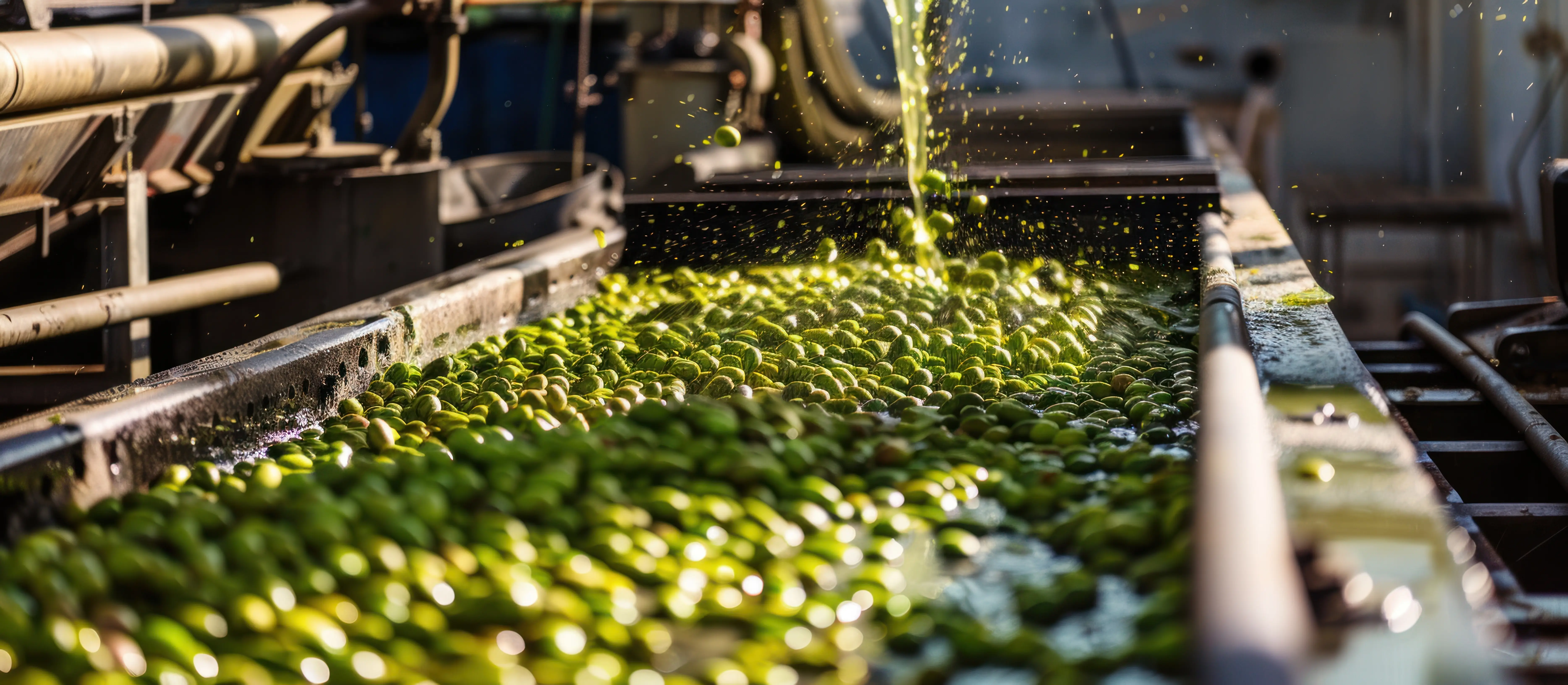
Extra virgin olive oil is made using the cold-press method, which avoids heat and chemicals to retain the oil’s natural flavour, aroma, and nutrients. While this results in exceptional quality, it also means that a large quantity of fruit is needed to produce a small amount of oil. Roughly 4 to 5 kilograms of olives are required to extract just one litre of oil. The yield is low, but the purity and taste more than make up for it.
4. Origin, sustainability, and organic practices
Premium olive oils are often single-origin, meaning the olives are grown, processed, and bottled in the same region, usually in Italy or Spain. These oils carry a higher price because they guarantee traceability and authenticity. Additionally, olive oils made from organically or sustainably grown olives are costlier to produce. Such farming avoids synthetic pesticides and fertilisers, which makes it better for the environment but more expensive for growers.
5. High demand, limited supply
Over the years, olive oil has become a global favourite, thanks to its flavour and health benefits. But the supply of quality olives hasn’t grown at the same pace as demand. This imbalance means olive oil prices continue to remain high, and sometimes even rise, especially for the best extra-virgin varieties.
Why Olive Oil Is Worth the Investment
When you consider olive oil’s nutritional value, production methods, and versatility, it becomes clear why it is worth the investment.
1. A healthier choice for everyday cooking
Olive oil, especially extra-virgin, is rich in antioxidants like vitamin E and polyphenols, and it contains healthy fats, primarily monounsaturated fatty acids, such as oleic acid. These compounds help support heart health by lowering LDL (bad) cholesterol and maintaining HDL (good) cholesterol levels. Olive oil can help reduce inflammation, improve endothelial function, decrease oxidative stress, and aid digestion, making it one of the healthiest oils to use in your kitchen.
2. Natural taste and aroma
The appeal of olive oil comes from its taste. Even a small drizzle can bring out the flavour in simple dishes like roasted vegetables or pasta. It adds richness without being heavy. Because it is cold-pressed and not chemically refined, the oil keeps the natural aroma and true taste of olives, something you rarely get with other oils.
3. Lasts longer than you think
Olive oil has a long shelf life when stored properly in a cool, dark place. Only a small amount is needed for cooking, as it is flavourful and concentrated. It is versatile and can be used for sautéing, baking, salad dressings, frying, or finishing a dish to enhance flavour.
4. A mark of real craftsmanship
High-quality olive oil is made from hand-picked olives that are pressed carefully to preserve their quality and flavour. The process requires time and attention at every stage, from harvesting to pressing. Authentic olive oil reflects this careful production rather than mass production methods.
5. More than just oil
At the end of the day, olive oil isn’t just another ingredient sitting on your shelf. It contributes to the flavour of food, provides health benefits, and can be used in a variety of cooking methods. These qualities make it a valuable addition to the kitchen.
Choosing the Right Olive Oil for You
Now that you know why olive oil is worth its price in India, let’s look at how to choose the right one.
• Type of oil
Extra virgin olive oil is made from the first cold pressing of olives and contains the most natural nutrients. Virgin olive oil comes from later pressings, and refined olive oil is treated to remove impurities, giving it a milder taste.
• Harvest or production date:
Olive oil is best when fresh. Check the bottle for a harvest or production date to ensure it retains flavour and antioxidants.
• Country of origin:
Oils from Italy, Spain, or Greece are often consistent in quality and traceable.
• Colour and clarity:
Olive oil can range from green to golden yellow. Colour alone does not determine quality, but very clear oils may be highly filtered.
• Taste and aroma:
Good olive oil should have a fresh, fruity aroma and a slightly bitter or peppery taste, which indicates the presence of healthy polyphenols.
• Storage:
Choose bottles made of dark glass or tins to protect the oil from light, which can degrade its quality over time.
Conclusion
Olive oil is priced high in India because it is mostly imported and produced using traditional methods that prioritise quality over quantity. The olives are hand-picked, and the oil is extracted without heat or chemicals to keep its natural nutrients and flavour intact. Transport costs, import duties, and limited local production also add to the final price.
Even so, olive oil offers clear health and culinary benefits. It is rich in monounsaturated fats and antioxidants that help maintain heart health and support digestion, while adding a fresh, natural flavour to food.
If you are looking to make your cooking healthier, Figaro Olive Oil is a trusted choice. Produced from carefully grown and pressed olives in Seville, Spain, Figaro brings Mediterranean quality to Indian kitchens. With over four decades of trust, it offers pure, chemical-free oil that combines great taste with genuine health benefits.
Frequently Asked Questions (FAQs)
1. Is Figaro Olive Oil 100% Pure?
Yes, Figaro Olive Oil is 100% pure, made from hand-picked olives. It contains no artificial additives or chemicals, retaining the natural flavour and nutrients of the olives.
2. Is Olive Oil Good for High Cholesterol Management?
Yes, olive oil, especially extra virgin, is beneficial for people with high cholesterol. It contains monounsaturated fats that help reduce LDL cholesterol and promote cardiovascular health and overall well-being.
3. Is two Tablespoons of Olive Oil a Day Too Much?
Consuming 2 tablespoons of olive oil daily is generally safe for most adults. It provides healthy fats and antioxidants that support heart health, but should be balanced with overall calorie intake.