


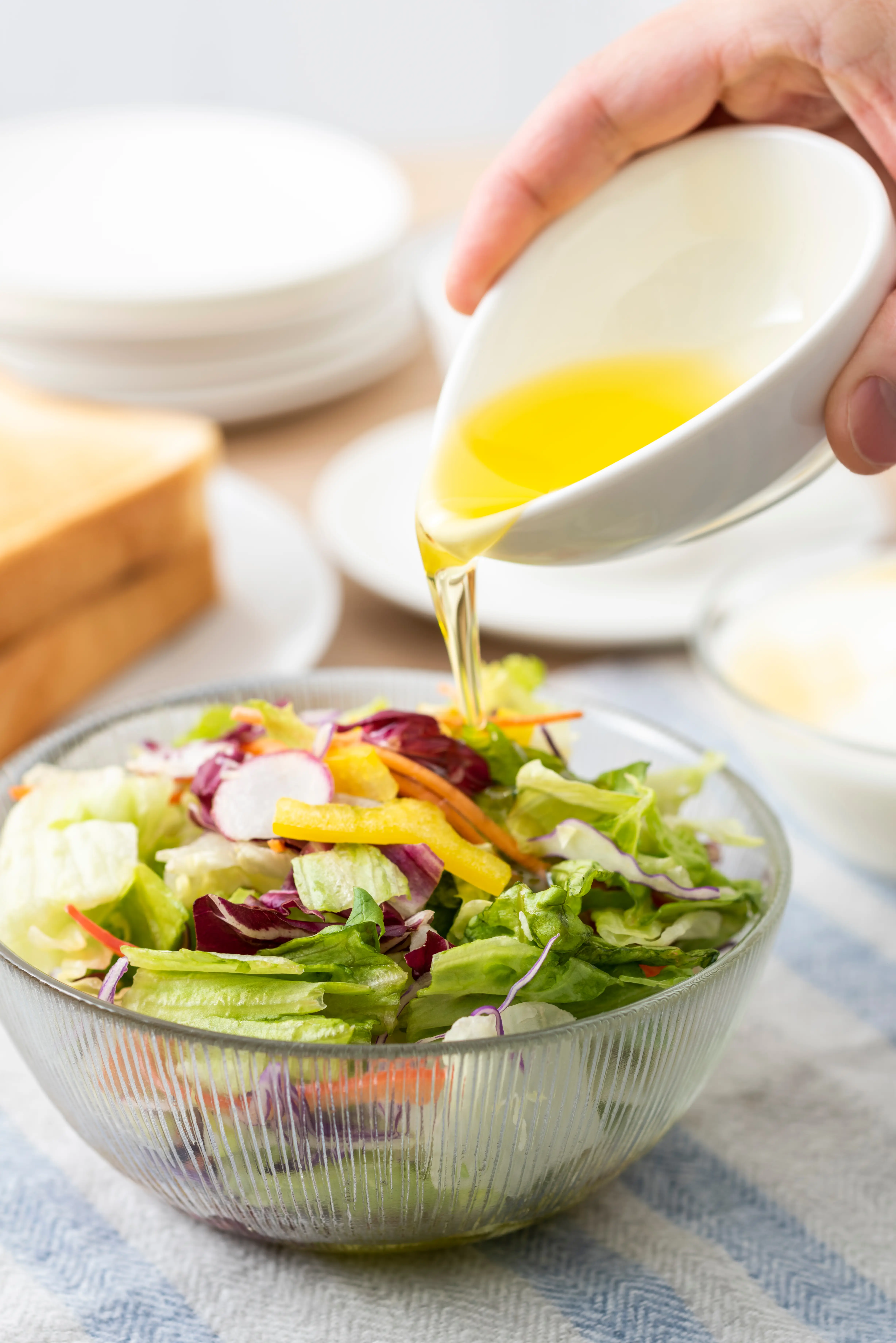
High cholesterol often carries the name “silent risk factor” because it can build up over the years without any symptoms. You might be feeling perfectly fine, but still have numbers that give an extra burden to your heart. Because of that, many of us begin to consider the everyday habits that may influence our levels, especially the oils we cook with. It’s very easy to overlook something so simple as what goes in the pan, but different oils affect cholesterol in very different ways.
Olive oil often comes up in these conversations because of its mix of monounsaturated fats and natural antioxidants, which have been studied for their role in heart health. In this article, we will look at how olive oil actually works for cholesterol reduction and why it is considered a good oil for cholesterol.
Why Cholesterol Matters
Your body requires cholesterol, a type of fat or lipid, in order to build cell membranes, produce hormones, support digestion, and for other basic functions. However, not all cholesterol is healthy.
Low-density lipoprotein (LDL) cholesterol is often called “bad” cholesterol because high levels may lead to plaque buildup in the walls of your arteries, increasing the risk of heart disease and stroke. High-density lipoprotein (HDL) cholesterol is considered “good” cholesterol because it helps remove excess LDL from the bloodstream, thereby lowering the risk of heart disease and stroke.
| Aspects | LDL | HDL |
|---|---|---|
| Another Name | “Bad” cholesterol | “Good” cholesterol |
| Primary Function | Transporting cholesterol from the liver to the cells | Carrying excess cholesterol from the blood back to the liver for removal |
| Effect on Health | It can cause plaque buildup in the arteries, thereby leading to heart disease and stroke | Reduces plaque buildup and lowers the risk of heart stroke and disease |
| Optimal Levels | Lower is better. Ideally, <100 mg/dL is considered optimal | Higher is better. Generally, ≥40 mg/dL is considered protective |
| Sources Influencing Levels | Saturated and trans fats, processed foods, and genetics | Physical activity, healthy fats (like olive oil, nuts, and fatty fish), and genetics |
A healthy balance between LDL and HDL is crucial for the health of the heart. Since diet, lifestyle, genetic makeup, and age will influence cholesterol levels, a person needs to understand what factors are controllable. One of the easiest and most powerful ways to begin is by paying attention to the kinds of fats and oils that appear in one’s diet, which is where olive oil can help.
How Olive Oil Lowers Cholesterol
You may have heard of the many advantages of cooking with olive oil, with lowering cholesterol usually being the first. But how does it really work?
Olive oil, in particular, extra virgin olive oil (EVOO), is rich in monounsaturated fats and polyphenols, compounds that have been shown to support heart health by improving cholesterol balance. These components contribute to an increase in high-density lipoprotein, or “good” cholesterol, which removes excess cholesterol from the bloodstream and reduces arterial plaque buildup.
Polyphenols present in olive oil increase HDL functionality through reverse cholesterol transport, a process in which cholesterol is transported from cells to the liver for excretion. This mechanism contributes to counteracting the harmful effects of low-density lipoprotein, or “bad” cholesterol, responsible for atherosclerosis and cardiovascular diseases.
Clinical research shows that consumption of EVOO daily could increase HDL levels and support heart health. While the effect on HDL’s cholesterol efflux capacity may be modest in short-term trials, healthy fats combined with antioxidants will, over time, add to an improved lipid profile.
In addition to supporting HDL, the antioxidants of olive oil, hydroxytyrosol and oleuropein, reduce oxidative stress and inflammation, two other important risk factors in cardiovascular disease. That is why using olive oil for cooking is scientifically supported as an effective way to maintain healthy cholesterol levels and support long-term heart health.
8 Best Foods to Pair with Olive Oil for Cholesterol Support
You’ve probably heard the phrase “Two are better than one,” and that couldn’t be more the case when it comes to heart health and healthy lipid levels. Olive oil, as mentioned, is fantastic for healthy cholesterol levels, but its benefits can be enhanced when put together with certain cholesterol-friendly foods. Here are some top foods to reduce cholesterol:
1. Whole Grains:
Whole grains like oats, barley, brown rice, and quinoa contain soluble fibre that helps in the reduction of cholesterol and helps maintain cardiovascular health.
2. Beans and Legumes:
Like whole grains, beans, lentils, and chickpeas are rich in soluble fibre and take more time to digest, promoting fullness while helping reduce LDL cholesterol.
3. Vegetables High in Soluble Fibre:
Eggplant, okra, and such vegetables provide fibre without adding calories. That will help control cholesterol when consumed along with olive oil.
4. Nuts:
Almonds, walnuts, and peanuts are rich in healthy fats and nutrients that help lower LDL and improve heart health in general.
5. Fruits Rich in Pectin:
Pectin, a kind of soluble fibre, is found in the cell walls of apples, grapes, strawberries, and citrus fruits. It can lower LDL levels naturally.
6. Soy Foods:
Soybeans, tofu, and soy milk are sources of plant protein that can moderately lower LDL cholesterol when consumed regularly.
7. Fatty Fish:
Fatty fish like salmon, mackerel, and sardines provide omega-3 fats, which lower triglycerides, improve lipid profiles, and promote healthy heart rhythms.
8. Plant Sterols and Stanols:
These compounds are found in fortified foods or supplements and can inhibit cholesterol absorption from the gut. They help reduce LDL when consumed at recommended levels.
Combining olive oil with these foods leverages its monounsaturated fats and antioxidants, making meals more heart-healthy and effective for cholesterol support.
The Bottom Line
Switching to olive oil for cooking is a heart-healthy change supported by scientific evidence. Replacing saturated and processed fats with olive oil will improve your cholesterol balance, increase “good” cholesterol, and help to limit the harmful effects of “bad” cholesterol.
Not all olive oils are created equal, so using a high-quality extra virgin olive oil really does matter. Figaro Olive Oil is packed with natural antioxidants, making it an effortless way to add these protective compounds to everyday meals, whether drizzled over salads, stirred into curries, or used in your favourite Indian recipes. Combined with a balanced diet and healthy lifestyle, it is an easy step toward keeping healthy cholesterol levels and supporting long-term cardiovascular well-being.
Frequently Asked Questions (FAQs)
1. Which cooking oil is good for health?
Extra virgin olive oil is one of the healthiest cooking oils, thanks to its heart-friendly fats and antioxidants. It is an excellent choice for low to medium-heat cooking in Indian cuisine.
2. What are some other advantages of cooking with olive oil?
Olive oil supports heart health, maintains healthy cholesterol levels, is a source of antioxidants, reduces inflammation, and is full of flavour.
3. What is the recommended consumption of olive oil?
Based on the 2020-2025 Dietary Guidelines for Americans, about 27 grams (just under 2 tablespoons) of olive oil per day would be appropriate for a 2,000-calorie diet. Individual needs would be based on age, sex, and activity level.