


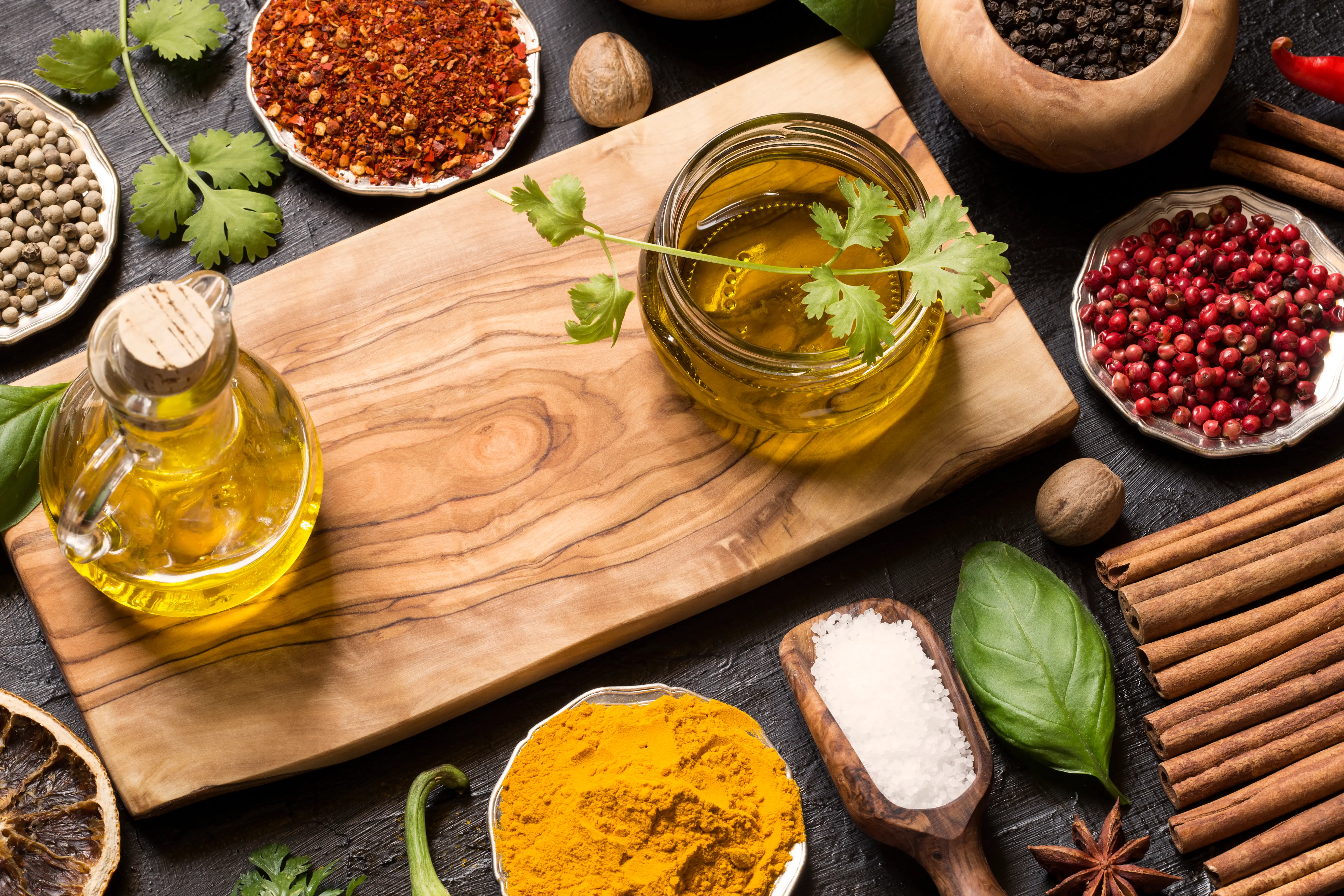
Ghee, mustard oil, and coconut oil have always been the stars of most Indian homes. They are known, trusted, and packed with tradition. But as more people become eager to try healthier cooking options, a question for many has been: Can olive oil really work in Indian cooking?
Our cuisine is all about fragrant spices, high-heat tadkas, and slow-cooked curries. So, quite naturally, a lot of people wonder if olive oil can keep up with the flavours and techniques that define Indian food. The simple answer? Yes, it can. Once you understand the right type of olive oil to use and how to use it, this Mediterranean favourite can mix beautifully into everyday Indian recipes.
The Tradition vs. Innovation Debate
Indian cuisine has traditionally depended on regional staples such as ghee, mustard oil, coconut oil, and sesame oil. Each holds a place in the kitchen for reasons such as flavour, heat stability, and cultural familiarity. South Indian homes mostly incorporate coconut oil into dosas, sambhar, and rasam, while mustard oil is widely used in the eastern part of the North. Ghee remains a favourite across the nation. These oils continue to be an integral part of everyday meals and festive dishes.
Modern times, with changing health needs and shifting cooking habits, have encouraged many families to reassess the oils for everyday use. Growing concern for cholesterol, diabetes, hypertension, and heart disease has consequently raised interest in oils with healthier fat profiles. Olive oil is being explored for its content of monounsaturated fats and antioxidants, which support better lipid levels, cardiovascular health, and metabolic balance.
At the same time, exposure to global cuisine and modern ways of cooking, like lighter sautéing and fusion-inspired meals, is making room for oils that behave differently under heat. That is where olive oil fits in. It’s good to use for moderate-heat cooking and provides a balanced flavour.
It’s not about giving up on traditional oils. Rather, the shift is more to know how options like olive oil support emerging health priorities and adapt to the way many Indian families cook today.
Which Oil Is Best for Indian Cooking?
Choosing the ‘best’ oil for cooking is not based on a single factor. It depends on a combination of factors, including heat tolerance, fat composition, and individual health needs, which all come into play in determining which oil would be best for your kitchen.
1. Ghee
Ghee has remained a staple in Indian diets. It contains fat-soluble vitamins like A, D, E, and K, and is very good for high-heat cooking. Most people like the flavour, and it is easily digestible. Ghee, however, contains saturated fatty acids and is normally recommended to be taken in moderation by people with cholesterol and heart-related disorders.
2. Coconut Oil
Coconut oil is a staple in southern India. It contains MCTs, which are metabolised differently compared to other long-chain fats and can provide a source of quick energy. Its distinctive taste works in a few regional dishes. Additionally, coconut oil contains substantial amounts of saturated fat, which may not be suitable for everyone, especially those with certain cardiac conditions.
3. Mustard Oil
Mustard oil is pungent in flavour and ideal for frying. It has monounsaturated fats and small amounts of omega-3 fatty acids. It is commonly used in pickles, curries, and stir-frying. Mustard oil has a potent taste that does not go well with all dishes. Additionally, it should be consumed sparingly, given its contents of erucic acid, which has been linked to cardiac lesions in lab animals.
4. Sesame Oil
Sesame oil contains a high amount of antioxidants, including sesamin and sesamol. Traditionally, it is used in South Indian food. Its nutty flavour can really add to a variety of dishes. While it does contain healthy fats, its much lower smoke point means that it fares better at medium heat rather than during extended periods of high-heat frying.
5. Groundnut (Peanut) Oil
Groundnut oil is neutrally flavoured, and its relatively high smoke point makes it versatile for deep-frying and everyday cooking. It contains both monounsaturated and polyunsaturated fats. People with peanut allergies should avoid it, and as with any oil, it must be used in moderation in order to maintain overall heart health.
6. Olive Oil
Olive oil contains a higher level of monounsaturated fats, which are more and more considered for use in Indian kitchens for cholesterol management, heart health, and metabolic support. It serves well for sautéing, light frying, and cooking on moderate to high heat.
For Indian cooking that requires higher heat, extra light olive oil offers a practical option. It contains the same beneficial monounsaturated fats and naturally occurring antioxidants, while its higher smoke point makes it suitable for frying. Its flavour is generally milder than traditional Indian oils, so it can be used to blend with most Indian dishes.
Here’s a quick comparison table to help you understand which oil is best for Indian cooking:
| Oil | What It Contains | Things to Keep in Mind |
|---|---|---|
| Ghee | Fat-soluble vitamins and saturated fats | Adds flavour but is high in saturated fat |
| Coconut Oil | Medium-chain triglycerides (MCTs) | Distinct taste and high saturated fat content |
| Mustard Oil | Monounsaturated fats and natural omega compounds | Strong aroma that may not suit all dishes |
| Sesame Oil | Antioxidants like sesamin and sesamol | Lower smoke point compared to some oils |
| Groundnut Oil | Monounsaturated and polyunsaturated fats | Unsuitable for people with peanut allergies |
| Olive Oil | Monounsaturated fats and antioxidants | Extra virgin is not ideal for very high heat, but extra light olive oil can handle higher temperatures |
Advantages of Cooking with Olive Oil in Indian Dishes
Now that you know the differences in some of the common Indian oils, here are some of the well-known advantages of choosing olive oil for cooking:
- High in monounsaturated fat, primarily oleic acid, which can help lower LDL (“bad”) cholesterol and raise HDL (“good”) cholesterol, thus lowering the overall risk of heart disease.
- Antioxidants present include phenolic compounds and vitamin E, which function to neutralise free radicals, thereby limiting cell damage.
- Supports healthier lipid profiles, which helps people with high cholesterol.
- It contains oleic acid and polyphenols that increase the body’s sensitivity to insulin. Thus, it improves blood sugar management and decreases the risk of type 2 diabetes.
- Provides anti-inflammatory benefits that support overall metabolic health.
- Mild, balanced flavour that won’t overpower spices or traditional Indian ingredients.
- Blends easily into common food preparations like dals, vegetable stir-fries, curries, and salads.
- Helps reduce the overall intake of saturated fat when used instead of heavier fats.
- It is lighter and therefore easier to digest for many people.
- Provides a stable fat profile that stays balanced even after cooking at moderate to high heat, particularly in refined or extra-light olive oil varieties.
Best Olive Oil for Cooking Indian Recipes (With Recipes)
There are many advantages to cooking with olive oil, but it helps to know which works best on the stove and which is better kept for finishing or salads.
| Type of Olive Oil | Smoke Point | Use | Indian Dishes That Can Be Prepared Using It |
|---|---|---|---|
| Extra Virgin Olive Oil (EVOO) | 177°C to 210°C | Best used for low to medium heat cooking. High in antioxidants, strong flavour. | Dal tadka, light vegetable sautés, lentil soups, salads, chutneys and semi-dry sabzis (like bhurjis or aloo katlis) |
| Pure Olive Oil | 199°C to 230°C | Good for medium to high-heat cooking. The taste is milder compared to EVOO, with a more balanced profile. | Everyday curries, vegetable gravy dishes, paneer preparations, non-veg items, and stir-fries |
| Extra Light Olive Oil | 200°C to 245°C | Most suitable for high-heat cooking. Very light flavour and highly stable, making it the closest substitute for traditional high-heat Indian oils (but with retained health benefits) | High-heat tadkas, deep or shallow frying, roasted vegetables, crisp stir-fries, high-heat paneer or chicken sautés |
The Bottom Line
With a better fat profile and beneficial antioxidants, olive oil is proving to be a convenient addition in Indian kitchens, offering sufficient heat stability for many everyday preparations. If the right type is used, it works well in dals, stir-fries, and curries, even in tadkas, without taking away from the familiar flavours of Indian food.
Traditional oils have their place, and adding olive oil alongside them helps a family balance tastes and nutrition with today’s modern cooking habits. If you’re looking for healthier options or just want to try new ways of preparing foods, adding olive oil to a few daily recipes is an easy place to start.