


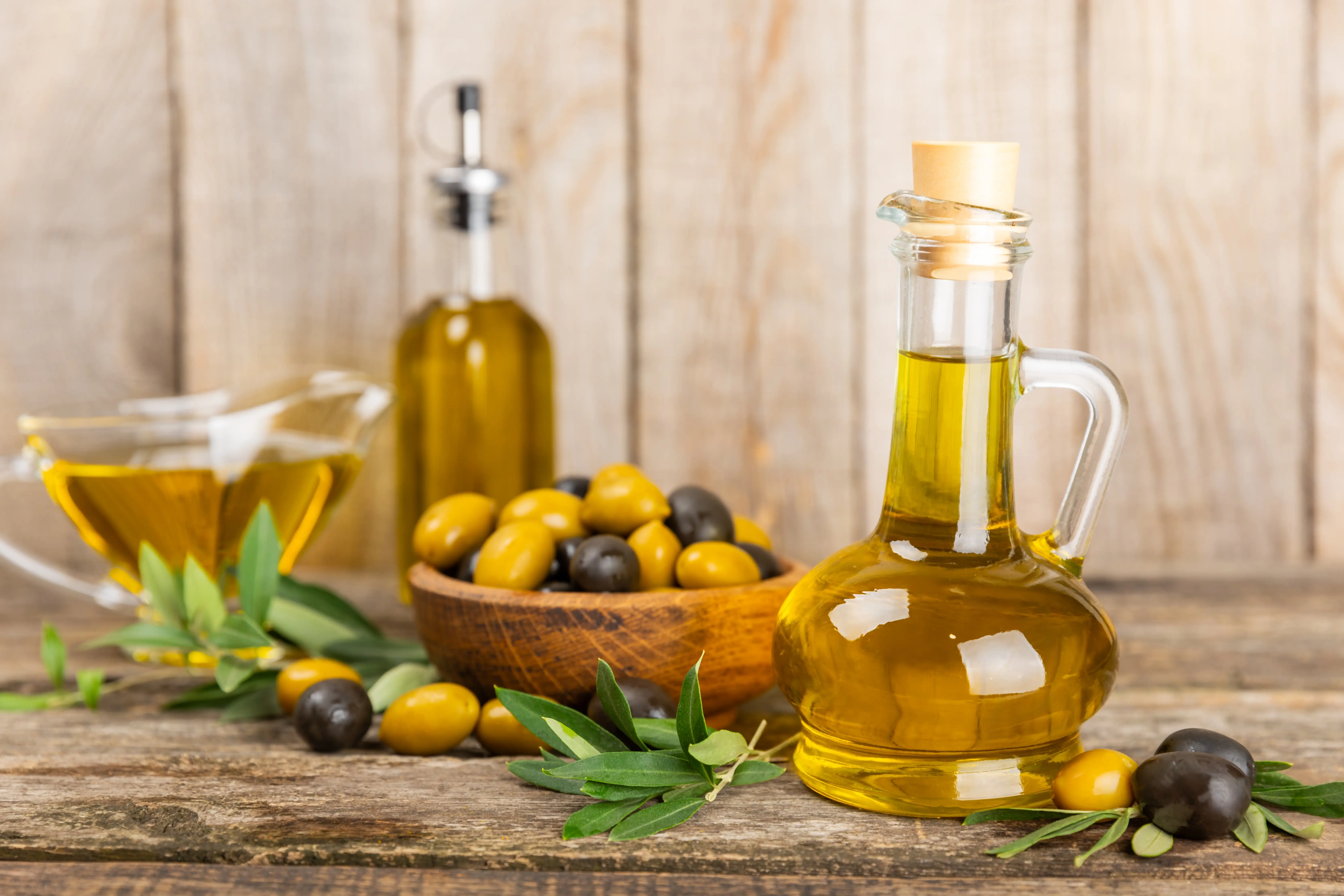
Most of us buy olive oil for its delicious flavour and health benefits, but few realise how easily it can lose both. In many Indian kitchens, bottles sit near the stove or under bright light, causing the oil to lose its freshness long before the label says “best before.”
The truth is, olive oil is delicate. Heat, light, and air can cause its antioxidants to deteriorate, its flavour to change, and its nutritional value to degrade over time. Fortunately, with just a few smart storage habits, you can keep your olive oil tasting as fresh and fragrant as the day you opened it.
In this guide, we’ll show you how to store olive oil the right way so it stays golden and flavourful for longer.
Why Storage Matters?
Olive oil is sensitive to its surroundings, which means that it will gradually change in composition and quality over time due to light, air, heat, and even the type of container it’s kept in. Here’s how each plays a role:
● Light:
Over time, olive oil naturally oxidises (though very slowly). Direct sunlight and UV exposure accelerate this process and can significantly damage the oil’s natural antioxidants, including polyphenols, tocopherols (vitamin E), squalene, and carotenoids. As a result, the oil may lose its fresh flavour, develop unpleasant notes, and see a decline in nutritional quality.
● Heat:
Cool, stable temperatures (ideally between 12°C and 15°C) preserve flavours and beneficial compounds in olive oil. On the other hand, temperatures above 25°C, especially near stoves or in warm kitchens, can cause rapid oxidation. Prolonged heat exposure destroys precious nutrients such as vitamin E and polyphenols, weakens the aroma, and shortens the oil’s shelf life.
● Air:
When olive oil comes into contact with oxygen, it oxidises. This interaction, over time, degrades the oil’s fatty acids and antioxidants, developing off-odours and a rancid taste while losing much of its nutritional value.
● Choice of container:
Packaging makes quite a difference: olive oil stays longer in tightly sealed, tinted glass bottles or metal tins that block light and air. A clear plastic or half-empty bottle will allow oxygen and light through to the oil, hastening breakdown and reducing freshness.
Understanding these small yet important factors can help you store your healthy cooking oil properly.
How Should You Really Store Olive Oil?
Now that we understand why storing olive oil properly matters, let’s explore how you can do it. The following are some practical ways to keep this healthy cooking oil fresh:
● Store in a Cool, Dark Place
Store olive oil in a cool, dark place such as a pantry or kitchen cupboard. Avoid keeping it near the stove, ovens, direct sunlight, or any other heat sources, as exposure to heat can accelerate oxidation and reduce both flavour and nutritional quality.
● Opt for the Right Container:
Choose dark glass bottles or stainless steel containers, as they block light and slow down oxidation better than clear or plastic bottles. Ceramic containers are also effective because they protect the oil from light and help maintain a stable temperature.
● Buy Olive Oil in Small Bottles:
Choose a small bottle that you can use within a few months. This helps prevent the oil from oxidising too quickly, keeping it fresh for longer.
● Keep the Bottle Tightly Closed:
Oxygen exposure accelerates oxidation, which can degrade olive oil quality. To prevent this, always ensure the bottle is tightly sealed after each use.
● Consume Within the Best Before Date:
The best practice is to use olive oil within 12-18 months of bottling, or by the date shown on the bottle. Always check the “best before” date to ensure the oil is fresh and retains its flavour and nutritional quality.
● Avoid Refrigerating Your Bottle:
Like vegetables, fruits, and spices, many people store their olive oil in the refrigerator. The cold can lead to condensation, which may affect the oil’s quality and cause rancidity. For best storage, keep olive oil in a cool, dark pantry instead.
Here’s a quick Do’s and Don’ts table for easy use:
| Do’s | Don’ts |
|---|---|
| Store in a cool, dark place. | Keep near the stove, oven, or heat. |
| Use dark glass, stainless steel, or ceramic bottles. | Use clear plastic or half-empty bottles. |
| Seal tightly after each use. | Leave the bottle open or loose. |
| Choose smaller bottles for faster use. | Buy large bottles you can’t finish quickly. |
| Consume within 12–18 months. | Use past the “best before” date. |
| Keep away from sunlight and UV. | Expose to sunlight or bright lights. |
| Store at 12–15°C. | Keep in areas above 25°C. |
| Check the “best before” date regularly. | Ignore expiration dates. |
| Keep in a dry place. | Store near sinks or moisture. |
| Pour carefully to minimise air contact. | Leave half-full bottles open. |
How to Know When Olive Oil Has Gone Bad
Knowing the signs of olive oil going bad is important to avoid unpleasant flavours and possible health risks. Signs to watch for:
- Off odours, such as crayons, putty, or stale nuts, may indicate rancid olive oil.
- Cloudiness generally signals unfiltered oil or improper storage.
- Sediments or separation indicate spoilage.
- Colour changes, such as sudden darkness or dullness, may warn that the oil has degraded or become rancid.
If you notice these signs, it’s safe to say your cooking oil for good health isn’t good anymore.
Conclusion
Many people wonder whether olive oil is among the best cooking oils for heart health and diabetes. Yes, it is, but only if well-stored. The way you store olive oil can make a big difference in its natural flavour and aroma, as well as its health benefits.
In other words, keep your olive oil in a cool, dark place, tightly sealed, and away from heat and sunlight. Use small bottles, dark glass or metal containers, and always check the “best before” date to enjoy it at its best.
At Figaro, we understand how important proper storage is. Our olive oil comes in a darker, stronger glass bottle and tin, protecting it from light and helping maintain freshness for longer. The design also includes clear, helpful information for consumers, so you will be able to enjoy the same trusted quality with even greater confidence.
And for more ways to get the most out of your olive oil, take a look at our expert blogs for some quick and easy tips and healthy cooking inspiration.
Frequently Asked Questions (FAQs)
1. Which edible oil is good for health?
Olive oil, especially extra virgin, is considered one of the best cooking oils in India. It is rich in antioxidants and healthy fats that help promote heart health and overall well-being.
2. Is it okay to store olive oil near the gas stove?
No, heat from the stove speeds up oxidation and spoils the oil faster. Keep it away from heat and direct sunlight.
3. What’s the best way to store olive oil?
Store it in a cool, dark place, in a tightly sealed bottle away from heat, light, and air.
4. Is it better to store olive oil in glass or stainless steel containers?
Dark glass or stainless steel containers are best. They protect the oil from light and air, keeping it fresh for longer.
5. What are three signs that your olive oil has gone bad?
A rancid smell, off taste, and dull or dark colour are clear signs your healthy cooking oil has spoiled.
6. Can bad olive oil make you sick?
Spoiled olive oil will not make you sick, but it loses nutrients and flavour and is, therefore, unhealthy to consume regularly.