


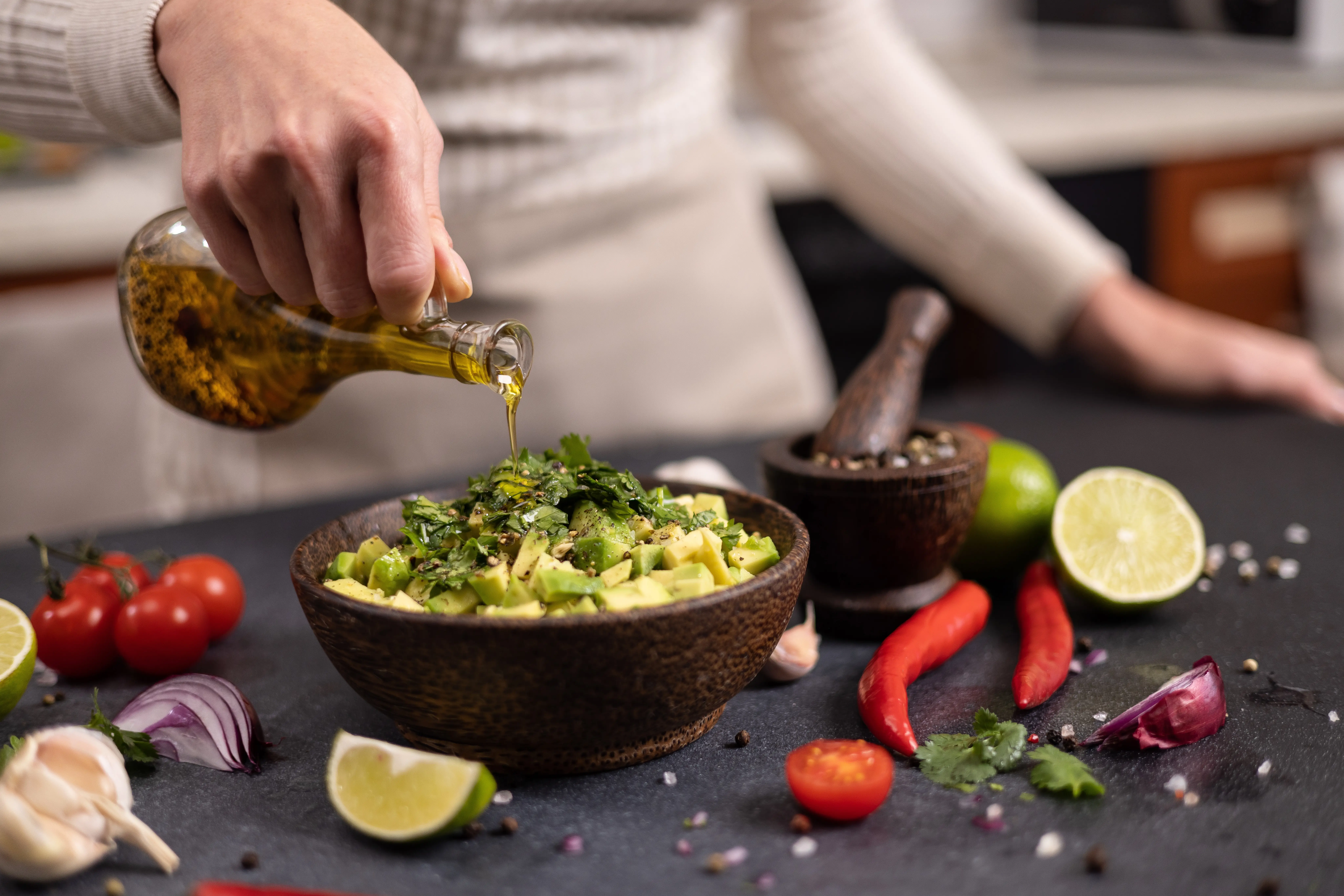
Diabetes has become one of the fastest-growing health concerns in India, affecting around 77 million adults and changing the way people think about food. Managing blood sugar is not only about cutting down on sweets but also making smarter choices in everyday cooking. For a start, a small but effective change is in the kind of fat one uses.
Traditionally, Indian kitchens rely on oils from either sunflower, groundnut, or coconut. As research continues to grow, olive oil is gaining attention for its healthy fats and antioxidants. Studies suggest that including olive oil in a diabetic diet may help increase insulin sensitivity, support heart health, and make meals more satisfying without affecting taste.
This blog will explore how olive oil fits into a diabetic-friendly lifestyle and share simple ways to include it in everyday Indian cooking.
Can Olive Oil Really Benefit People with Diabetes?
While olive oil is widely known as the healthiest oil for the heart, few people realise how many other significant health benefits it provides. This golden elixir is rich in essential nutrients and bioactive compounds that support diabetes management and overall metabolic health. Its key components include healthy monounsaturated fats, antioxidants, plant sterols, and polyphenols, all of which help protect the body.
1. Healthy Fats and Blood Sugar Control:
The main fatty acid in olive oil, oleic acid, is a monounsaturated fat that helps maintain heart health and regulate blood sugar. Diets rich in oleic acid, such as the Mediterranean diet, are linked to a lower risk of developing type 2 diabetes. Research shows that meals prepared with olive oil can improve insulin sensitivity and reduce post-meal glucose spikes compared to meals prepared with oils rich in polyunsaturated fats, such as safflower, grapeseed, or flaxseed.
2. Natural Plant Sterols:
Olive oil naturally contains plant sterols such as β-sitosterol, campesterol, and stigmasterol. Among them, β-sitosterol is the most abundant and has been shown to help lower cholesterol while supporting better glucose control. Regular consumption of foods rich in these sterols may help maintain healthier blood sugar levels in people with diabetes.
3. Antioxidants and Polyphenols:
Extra virgin olive oil (EVOO) is particularly rich in antioxidants like vitamin E (α-tocopherol), squalene, and several phenolic compounds, including hydroxytyrosol, tyrosol, and oleuropein. These natural compounds have anti-inflammatory and antioxidant properties that help reduce oxidative stress, a major factor in insulin resistance and diabetes complications. Research suggests that these polyphenols can also stimulate insulin-secreting hormones such as GLP-1 and help lower fasting blood glucose and HbA1c levels.
4. Supporting Heart and Metabolic Health:
People with diabetes are at a higher risk of developing heart disease, and olive oil could help reduce those chances. Monounsaturated fats and phenolic compounds in olive oil support cardiovascular health by lowering LDL (“bad”) cholesterol and protecting cells against oxidative damage. Regular use of olive oil in daily meals improves glucose metabolism, reduces the risk of type 2 diabetes, and lessens complications of diabetes in the heart.
Here’s a table summarising the differences between various oils according to their effect on blood sugar levels:
| Oil | Main Fat Type | Effect on Blood Sugar |
|---|---|---|
| Olive Oil | Monounsaturated fats | Improves insulin response and keeps sugar levels steady |
| Sunflower Oil | Polyunsaturated fats | Can raise inflammation with regular use |
| Coconut Oil | Saturated fats | Offers little benefit for blood sugar control |
| Groundnut Oil | Monounsaturated fats | Fair choice, but fewer antioxidants than olive oil |
| Mustard Oil | Mono and polyunsaturated fats | Mild support for glucose control |
| Sesame Oil | Polyunsaturated fats | Neutral effect on blood sugar |
| Rice Bran Oil | Mixed fats | Slightly helps, but lacks the key nutrients of olive oil |
But it is not just about olive oil alone. Using moderate amounts of high-quality olive oil as part of a balanced diet can promote better blood sugar and heart health. However, relying only on olive oil is not enough. Maintaining diabetes requires a combination of healthy eating habits and an active lifestyle.
How Can You Use Olive Oil the Right Way?
Now that you know why olive oil is one of the best cooking oils for heart health and diabetes, let’s understand how it can be incorporated into your everyday meals to get the most benefit.
- Extra virgin olive oil should be chosen for everyday use because it retains the highest amount of antioxidants and healthy fats. About 2 to 3 teaspoons a day is generally sufficient for most adults when used as part of a balanced diet.
- Spread your intake throughout the day. Don’t use it all in one meal. A small drizzle at lunch and dinner supports better absorption of fat-soluble vitamins.
- Use olive oil mostly for light sautéing, roasting, or as a finisher for dishes that are already cooked. It’s stable up to medium heat and preserves its nutrients better when not overheated.
- Add it after cooking lentils, vegetables, soups, or grilled dishes to enhance the flavour and provide heart-healthy fats without reducing its nutritional value.
- Combine olive oil with other healthy fats, such as those from nuts, seeds, or fatty fish. A balanced mix supports cholesterol control and insulin sensitivity.
- Combine olive oil with high-fibre foods such as whole grains, pulses, and vegetables to help manage post-meal blood sugar levels more effectively.
- Use olive oil in place of saturated fats like butter, ghee, or vanaspati, rather than adding it on top.
Make olive oil a part of a healthy routine that includes regular physical activity, weight control, adequate sleep, and stress management. Together, these factors will improve blood sugar control.
Frequently Asked Questions (FAQs)
1. Is olive oil suitable for diabetic children?
Yes, in small amounts. It provides healthy fats that support heart health and stable blood sugar when used in home-cooked meals.
2. What is the recommended daily amount?
About 2 to 3 tablespoons a day is enough for most people.
3. Is olive oil good for cholesterol?
Yes, olive oil supports healthy cholesterol levels. Its monounsaturated fats and antioxidants (including polyphenols and vitamin E) help lower LDL (bad) cholesterol, increase HDL (good) cholesterol, and protect blood vessels, making olive oil a natural choice for cholesterol reduction.
4. What are some other foods to reduce cholesterol?
Oats, nuts, beans, lentils, flaxseeds, fruits, vegetables, and fatty fish can help lower cholesterol naturally.