


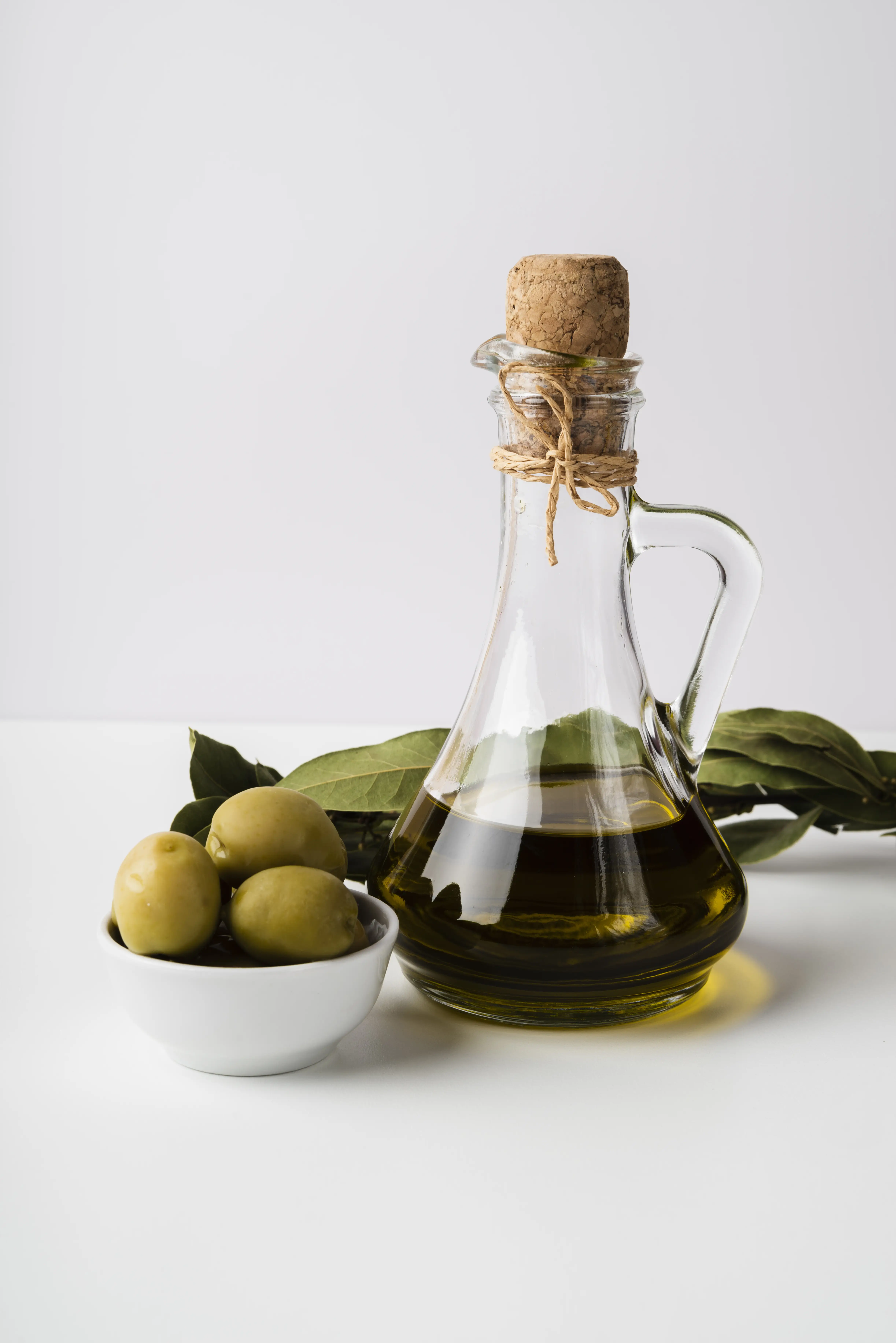
You probably have a bottle of olive oil in your kitchen cabinet right now, but have you ever stopped to think about how long it really lasts? Unlike other food items in your kitchen cabinet, it does not give an obvious indication of whether it is good for consumption or not.
In this guide, we’ll walk you through how to check the freshness of the olive oil you have at home and how to store it properly so that you don’t waste even a single drop of this valuable oil.
Does Olive Oil Expire?
Olive oil happens to be an essential item in everyone’s kitchen because of its amazing taste, aroma, and many health benefits, especially for the heart. But many people wonder: ‘Does olive oil expire?’ The simple answer is yes.
Like all edible oils, olive oil has a shelf life, and over time, it will lose its freshness, flavour, and nutritional value. Using oil past its prime will not necessarily make you sick immediately, but it can make food taste differently and reduce the health benefits you get, especially some of its antioxidant benefits.
Knowing the shelf life of olive oil, spoilage signs, and proper storage will help you reap the benefits without any wastage.
What Is the Shelf Life of Olive Oil?
Generally, olive oils can retain their freshness for about 18 to 24 months from the date they are bottled. Extra virgin olive oils, which are less processed, are more delicate and typically maintain peak quality for around 12 to 18 months. After this period, the oil can develop a bitter or sharp taste that can change the taste of your recipes that you make using this oil.
The shelf life of olive oil also depends on whether it is opened or unopened. Once a bottle is opened, exposure to air, light, and heat accelerates the rate of deterioration. Opened olive oil is best used within 3 to 6 months, depending on storage conditions.
Some bottles come with a date of bottling or the best-before date. This helps monitor the freshness. If your bottle doesn’t have any such dates, it’s a good idea to mark the date of purchase yourself. This simple trick helps you remember the time the oil has been inside your pantry and ensures you enjoy it while it’s still fresh.
How to Tell If Olive Oil Has Gone Bad
Olive oil degrades/oxidises slowly and doesn’t show visible mould or a bad texture. Because this is often hard to notice, here are some tips to help you determine whether your olive oil is fresh:
1. Give It a Whiff:
If it is fresh, it should have a grassy, fruity, or slightly peppery aroma. If it is past its time, it could have a rancid, waxy, crayon, or putty smell.
2. Take a Small Taste:
A small sip can give a lot of information. A good olive oil is fruity, bitter, and sometimes a little peppery. If it is bitter, sharp, and stale, this is an indication that it is spoiled.
3. Inspect Its Look:
Cloudiness can appear if olive oil has been refrigerated, but this is usually harmless and disappears as the oil warms. Haze or sedimentation, along with an unusual smell or taste, may mean the olive oil has spoiled.
What Happens If You Use Expired Olive Oil
Using expired olive oil isn’t usually dangerous in small amounts, but it might have the following effects on your food:
- Dishes may taste stale or bitter.
- Olive oil tends to lose antioxidants and beneficial compounds when it ages.
- Frequent use of heavily oxidised oil may .
In other words, while the expired olive oil won’t make you ill, it’s always best to replace it once it shows signs of spoilage to enjoy both taste and health benefits.
Best Practices for Storing Olive Oil
Storing olive oil properly can prolong its shelf life and retain its flavour and healthy properties.
• Keep it Cool:
Store olive oil in a cupboard or pantry to protect it from stoves, ovens, and sunlight.
• Use Dark Bottles:
Protect the oil against light by using dark glass or tins, therefore slowing down the oxidation process.
• Seal Tightly:
Close the cap every time after use to reduce exposure to the air.
• Buy Smaller Bottles:
Smaller bottles are used faster, reducing the chance of oil going stale.
• Avoid Refrigeration:
Although refrigeration can extend shelf life, it causes cloudiness and solidification. Bring the oil to room temperature before using.
The Bottom Line
So, can olive oil expire? Yes, it can, but with proper care and awareness, you can enjoy its freshness and health benefits for months. Paying attention to its smell, taste, and appearance and storing it in a cool, dark place will maximise your investment in high-quality olive oil.
Choosing a trusted brand like Figaro Olive Oil goes a step further in ensuring quality, since quality checks and sourcing practices benefit from maintaining superior taste and nutritional value longer.
Frequently Asked Questions (FAQs)
1. How to read the best-before date on olive oil?
Olive oil’s best-before date reveals how long it can retain its prime quality. It is mostly printed on the package. Use it as a guideline, and always check smell and taste before use.
2. Does olive oil expire faster in Indian kitchens?
Heat, humidity, and regular exposure to light could cause olive oil to deteriorate faster in Indian or any other kitchens. Storing it away from direct heat sources and using smaller packaging containers could certainly help.
3. Can rancid olive oil cause food poisoning?
Rancid olive oil will not cause food poisoning as spoiled food does, but it may cause upset stomachs to some individuals and offers no nutritional benefits, so it’s best avoided once it smells or tastes off.
4. What are the symptoms of bad olive oil?
Bad olive oil usually smells bad and tastes bitter or sharp. Sometimes, it may cause mild stomach discomfort, but the most noticeable signs are changes in aroma and flavour.