


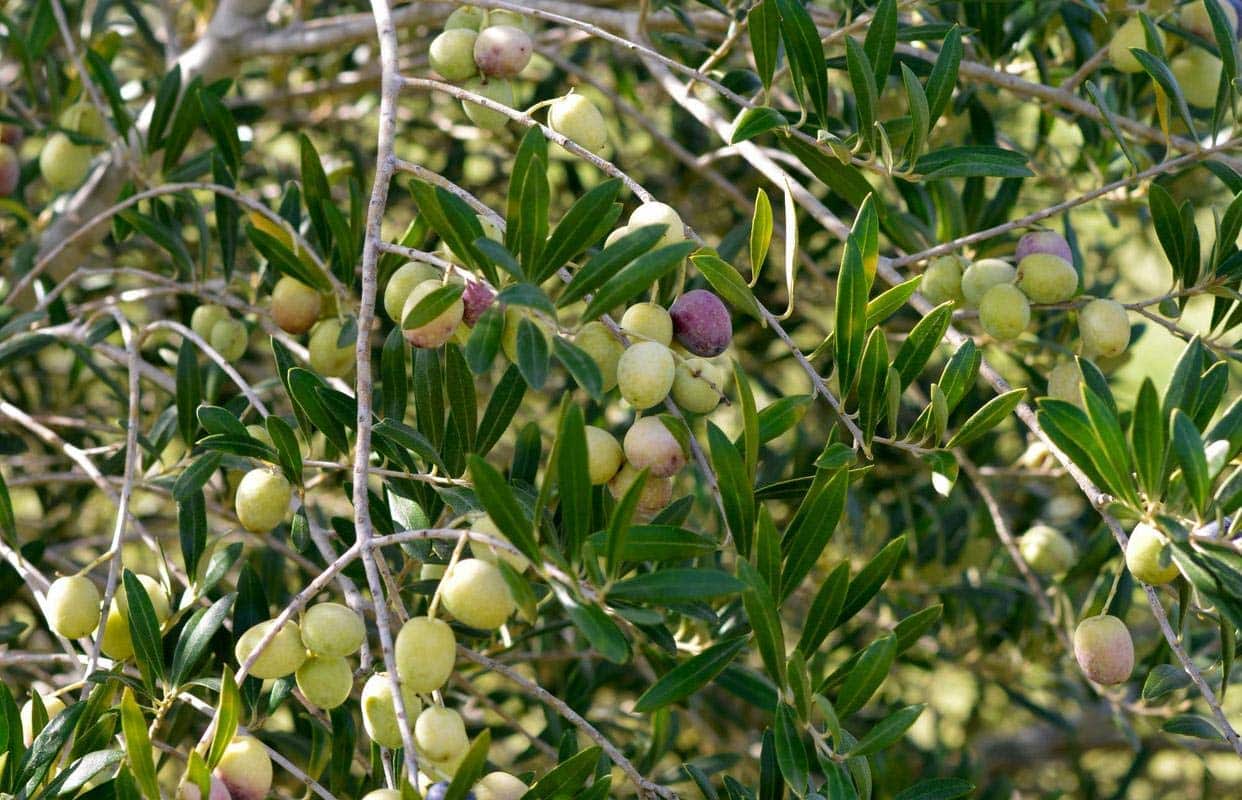
The pressing of olives to make olive oil dates back to around 6000 BC. By the time of classical Greece, olive oil was already one of the most prized goods traded across the Mediterranean. Homer called it “liquid gold,” while Hippocrates referred to it as “the great healer.” That admiration has lasted from Old Testament times to today.
In our age, olive oil is everywhere, drizzled over a salad or added to cooking, but its uses go far beyond the kitchen. Let’s travel back in time to discover five fascinating, age-old ways people used this heart-healthy oil that still work today.
1. A Morning Beverage for Long Life
The venerable practice among olive farmers of drinking olive oil every morning, in the belief that it fosters longevity, continues to this day among many people in the Mediterranean region and around the world, as noted in a 2020 article published in the National Library of Medicine.
The common approach is to drink a quarter cup of extra virgin olive oil each morning, followed by a small glass of warm water with freshly squeezed lemon juice. Advocates say it gives the body a kick-start, since both olive oil and lemon juice have detoxifying and cleansing effects. The advantages of drinking olive oil include its richness in fatty acids that support blood circulation and help reduce bad cholesterol, while lemon adds valuable vitamins. This nourishing start to the day also helps curb hunger, making it a natural aid for weight management.
2. A Super Skin Balm
In Ancient Rome, whole olives were commonly eaten during meals, but olive oil was equally valued for its medicinal uses. Hippocrates, regarded as the father of Western medicine, listed more than 60 health conditions that olive oil could help treat, ranging from skin ailments, wounds, and burns to gynaecological issues and ear infections. Today, we know the benefits of olive oil for skin and overall well-being come from its rich content of antioxidants and natural healing compounds such as hydroxytyrosol and peroxides.
3. The Original Soap and Perfume
Before soap was invented, the Romans bathed with olive oil. They massaged it onto the skin and then scraped it off with a strigil, which also removed dirt and dead skin. The practice left the skin clean, smooth, and moisturised. Scented olive oil was often added to baths, adding fragrance, relaxation, and rejuvenation.
The ancient Egyptians also prized olive oil for preserving the fragrance of their perfumes, which were stored in elegant alabaster or glass containers. Today, olive oil remains a gentle, hypoallergenic cleanser suitable for everyone, from babies to adults.
4. Keeping Food Fresh Longer
Until modern refrigerators, people could eat only seasonal foods and needed ways to preserve the abundance of fruits and vegetables from the harvest. Olive oil, prized not only for its cooking benefits but also for its ability to protect food from oxygen and microorganisms, has long been a preferred method for preserving nutrients, vitamins, and flavours. Today, even with a fridge at hand, olive oil is an excellent way to extend the life of garden produce such as sun-dried tomatoes, baby artichokes, sweet peppers, eggplants, mushrooms, goat cheese, and basil. Pure olive oil can also keep tuna, sardines, chorizo, or even meats like pork loin safe and flavourful for an extended period.
5. An Athlete’s Essential Preparation
Now we travel back to Ancient Greece, the birthplace of the Olympic Games, where the therapeutic benefits of olive oil were already well recognised. According to a study published in the Archives of Medical Science, as far back as the eighth century BC, athletes, especially wrestlers, prepared their bodies with deep-friction massages using olive oil. The advantages of olive oil massage include warming the muscles and enhancing performance by improving blood flow, flexibility, and skin elasticity. Post-exercise massages with olive oil also helped remove built-up lactic acid, promoting faster recovery from strain and injury. This is a practice worth considering for any form of fitness.
Wrapping Up
Olive oil has been valued for thousands of years for its many uses, from promoting longevity and healthy skin to preserving food and supporting athletes. These ancient practices show that its benefits extend beyond cooking. Using olive oil in daily meals, skincare, or massage allows you to enjoy the same nourishing and versatile advantages people have relied on for centuries.