


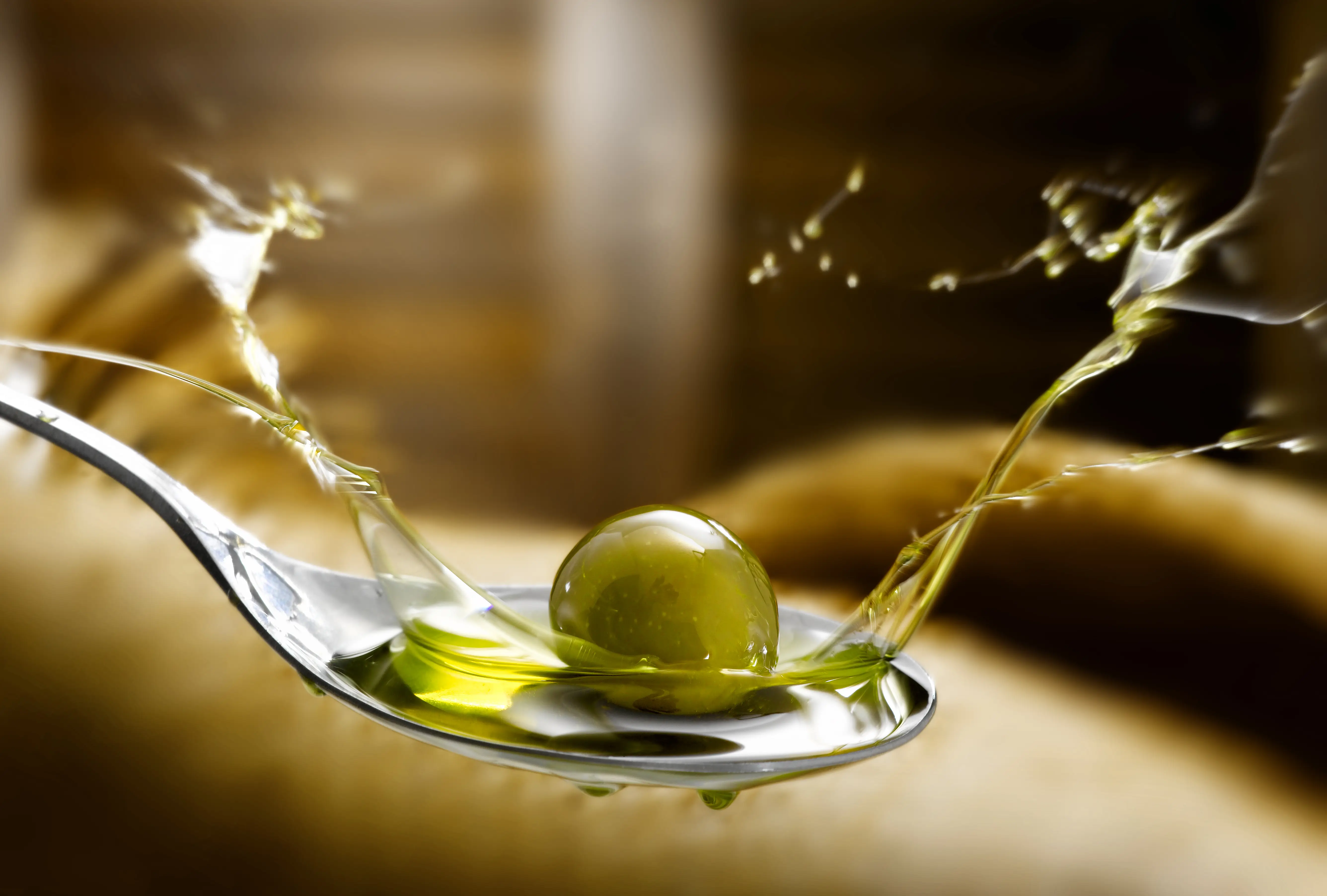
Olive oil has been loved in kitchens for ages for its rich flavour and health benefits. But not all olive oils are exactly what they claim to be. In India and other parts of the world, many products are mixed with cheaper oils, such as sunflower or soybean oil, and mislabeled, compromising both quality and nutrition. Olive oil is, in fact, among the most common foods vulnerable to fraud.
Choosing genuine olive oil matters not just for taste, but for your health and safety. Knowing how to spot real olive oil is the first step to enjoying its full benefits.
Why the Quality of Your Olive Oil Really Matters
Before learning how to spot genuine olive oil, let’s first look at why it matters. Here are some of the top reasons:
1. Health Benefits Depend on Purity:
High-quality olive oil, especially extra virgin olive oil, is rich in natural antioxidants, heart-healthy monounsaturated fats, fibres, vitamins, and minerals. These compounds reduce inflammation, protect cells, lower bad cholesterol, and support healthy digestion and heart functions. Diluting or mixing olive oil with cheaper oils reduces many of these nutrients, possibly depriving you of the health benefits you expect.
2. Taste and Aroma Are Strongly Affected:
The flavour and aroma of olive oil are closely tied to its quality. The pure variety has a fresh, fruity aroma and a rich, distinctive taste that could enhance any dish. Oils mixed with cheaper alternatives taste bland, flat, or slightly off, which can affect the flavour of your meals, especially in salads, pastas, and dishes where the oil is a key ingredient.
3. Nutritional Value Can Be Compromised:
When olive oil is mixed with lower-quality oils, essential nutrients such as vitamin E and polyphenols are reduced. This dilution can lower the overall nutritional value of your diet. Using genuine olive oil ensures that you get these beneficial compounds and the full health advantages they offer.
4. Safety Concerns:
Adulterated or mislabeled olive oils may contain refined oils or other substances not meant for consumption and may pose health risks. High-quality olive oil, produced under strict standards, is safe to use regularly in cooking and for sprinkling on salads or other foods.
5. Economic Value:
Investing in high-quality olive oil ensures that what you buy lives up to its claims. Poor-quality or adulterated oils might seem cheaper but will have less nutritional value, a bad taste, and could even be unsafe to consume. Opting for authentic olive oil gives both better value for money and supports trustworthy producers.
How to Tell if Your Olive Oil Is Genuine
Below are some ways to identify whether your favourite olive oil is genuine or not:
1. Read The Label:
One of the simplest ways to check olive oil quality is to read the label carefully. Look for terms like “Extra Virgin,” which indicate that the oil comes from pure, cold-pressed olives and hasn’t been refined with heat or chemicals. Also, check the ingredient list to ensure it contains only olive oil. Keep in mind that the label alone isn’t a guarantee, but it’s a good starting point.
2. Look at the Country of Origin:
The bottle should clearly state where the olives were grown, such as Spain, Italy, Australia, or Greece. Be cautious of vague descriptions, such as “blend of oils from multiple countries,” which can indicate that the oil is not purely from a single source.
3. Check for the Manufacture Date:
Freshness matters. Real olive oil typically shows the date at which olives were picked. If there’s no such date on the bottle, this is probably a sign that the oil is either older or of poorer quality.
4. Bottle and Packaging:
High-quality olive oil is usually sold in dark glass bottles to protect it from light, which can degrade the oil. The bottle should also have a secure, small opening to limit exposure to air, helping to preserve freshness and flavour.
5. Taste and Smell:
Real extra virgin olive oil has a distinct aroma and flavour. It should smell fresh, grassy, and slightly fruity. If the oil lacks aroma or smells stale or rancid, it may be old or adulterated.
On the palate, high-quality olive oil often has a bold, slightly peppery finish with a fresh, grassy taste. If it tastes flat, greasy, or bland, it may be lower-quality or mixed with other oils. Regular tasting can help you become familiar with what genuine olive oil should taste like.
6. Check Free Fatty Acid (FFA) Content:
Premium extra virgin olive oil has low free fatty acid levels, usually 0.2% or lower. FFA content is a measure of the oil’s freshness and quality, with lower percentages indicating minimal degradation. Some bottles display this information on the label.
7. Avoid Blends:
Be cautious of oils labelled as “olive oil blend.” These often contain cheaper oils, such as soybean or canola, mixed in. If you are paying for olive oil, it should be 100% olive oil, not a mixture of different oils.
8. Look for Certifications:
Check for certifications such as FSSAI approval, which is a mandatory license or registration for all food businesses involved in manufacturing, storing, transporting, or distributing food in India. These certifications indicate that the olive oil has been tested for quality and authenticity based on industry standards.
Key Takeaways
Not all olive oils are created equal, and many products on the market are diluted, mixed, or mislabeled, which can compromise taste, nutrition, and safety. Choosing genuine olive oil matters for your health, the flavour of your dishes, and the value of your purchase.
Carefully read labels, check the packaging, taste and smell the oil, and look for certifications to ensure that the olive oil you buy is authentic.
Choose a trusted brand like Figaro Olive Oil, which is FSSAI approved and has been providing Indian consumers with pure, chemical-free, high-quality olive oil for more than 40 years. The olives for Figaro Olive Oil are grown and pressed in Seville, Spain, and the oil is packed in dark glass and tin bottles that protect it from oxidation. Figaro ensures you enjoy the full flavour and health benefits of olive oil.
Frequently Asked Questions (FAQs)
1. How can you tell if olive oil is real or fake?
Check the label, country of origin, harvest date, packaging, taste, aroma, FFA content, and certifications, like FSSAI, to ensure authenticity.
2. How can you test for adulteration of olive oil at home?
Try the cold test (refrigerate to see if it thickens), check taste and smell, and avoid oils labelled as blends. Fresh EVOO should smell grassy and taste slightly peppery.
3. What colour is real olive oil?
Real extra virgin olive oil ranges from golden yellow to green. Colour varies by olive type and harvest, but it doesn’t determine quality on its own.
4. Is Figaro olive oil authentic?
Yes, Figaro Olive Oil is FSSAI approved, made from olives grown in Seville, Spain, and packed to preserve freshness, ensuring genuine extra virgin quality.