


The health of the heart remains a concern across all age groups due to the increasing prevalence of lifestyle-related diseases. In fact, the rise in cardiovascular disease has emerged as a major concern across the globe. This is especially true in India.
Diet plays a central role in managing cardiovascular risk, and among daily dietary choices, cooking oil is one of the most consistently consumed ingredients. Because it is used regularly, often multiple times a day, the type of oil chosen can have a long-term impact on heart health.
Instead of urging a fat elimination diet, modern cardiologists today focus on the quality of fats, food practices, and a balanced diet. The goal is not to adopt the trends of today’s foods, but to make informed choices that align with everyday cooking practices and long-term health.
Why Choosing the Right Cooking Oil Matters for Heart Health
Cooking oil is a major source of dietary fat, and the type of fat one consumes daily can affect cholesterol levels, inflammation, and overall cardiovascular risk. Consuming saturated and trans fats can result in an increased level of “bad” cholesterol or low-density lipoprotein (LDL), which can predispose one to an increased risk of coronary heart disease.
On the other hand, unsaturated fats, such as monounsaturated and some polyunsaturated fats, can be deemed beneficial for heart health. These are commonly associated with healthier high-density lipoprotein (HDL) or “good” cholesterol levels.
Another factor that is often ignored is the frequency of its use. Even minute amounts of oil, if used daily for many years, can have a cumulative effect. This is also the reason why cardiologists do not analyse cooking oils independently, but assess how they fit into everyday cooking practices, cultural food habits, and overall dietary patterns.
What Cardiologists Look for in a Heart-Healthy Cooking Oil
Typically, cardiologists assess cooking oils based on their nutritional content or consumption patterns. Some of the essential parameters considered by cardiologists during the assessment include the following:
• Type of fats present:
Oils that consist of more unsaturated fats, particularly monounsaturated, are considered more preferable than those high in saturated fats, as fat type plays a role in cholesterol management.
• Impact on cholesterol levels:
Cooking oils are analysed based on their relation to LDL and HDL cholesterol levels when consumed over a period as part of a healthy diet.
• Stability during cooking:
The oils that are stable at the commonly used cooking temperatures are less likely to degrade or form undesirable compounds during routine cooking.
• Level of processing:
In most cases, less refined oils are regarded as superior because excessive processing may alter their natural fat profile and overall quality.
• Presence of naturally occurring compounds:
Some oils contain antioxidants or other bioactive elements that are effective in maintaining heart health. These include:
- Vitamin E (tocopherols), which protects against oxidative damage to cells
- Polyphenols, known for having antioxidant properties
- Phytosterols and phenolic compounds, which have been linked to a positive influence on cholesterol levels.
Cooking Oils Commonly Recommended for Heart Health
• Olive Oil:
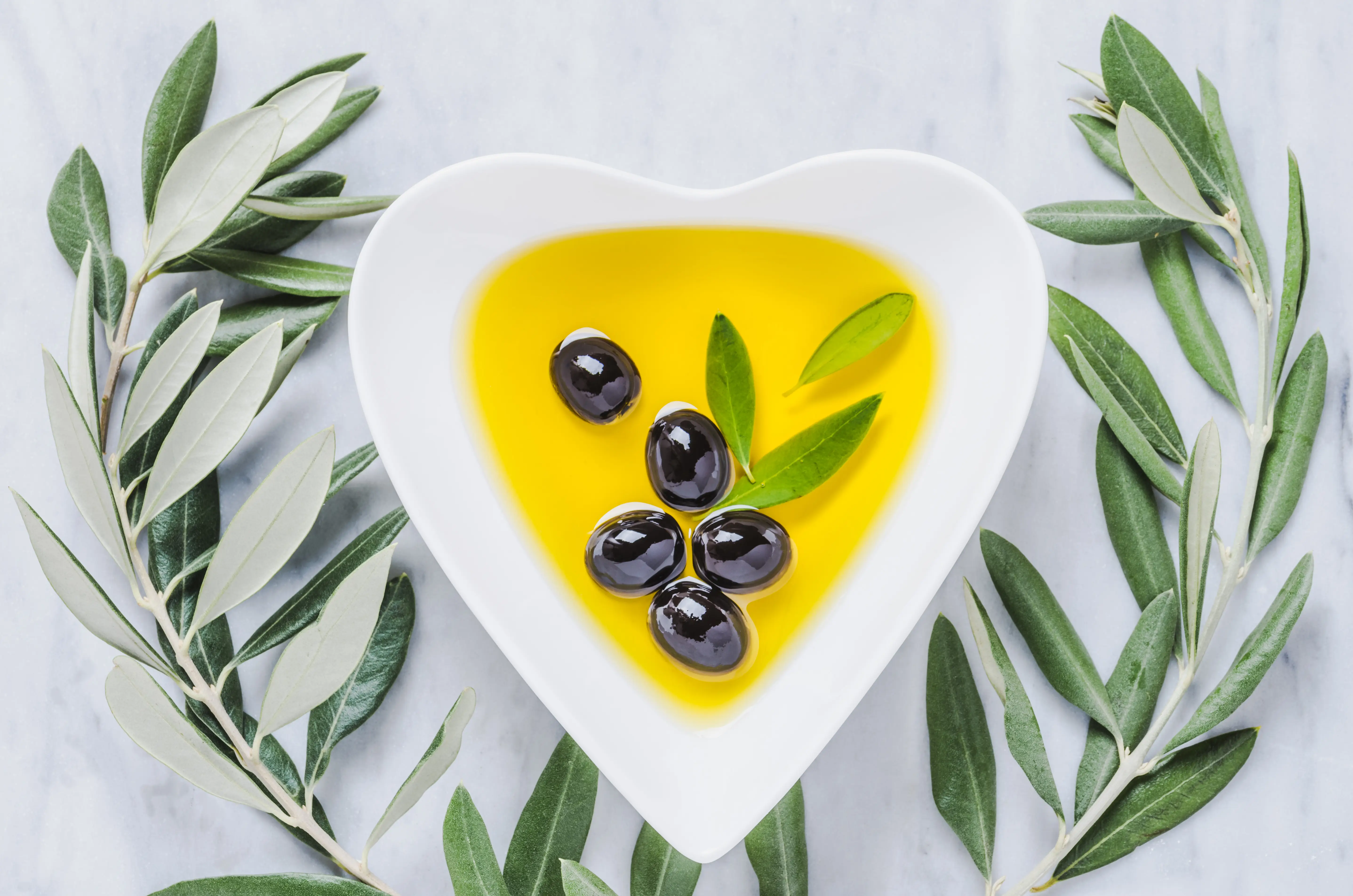
Olive oil is considered one of the best cooking oils for the health of your heart. The oil is naturally rich in monounsaturated fatty acids and antioxidants, including vitamin E and polyphenols, which are known to prevent oxidative damage and improve cardiovascular function.
• Mustard Oil:
Traditionally, mustard oil is used in several Indian cuisines and is a blend of monounsaturated and polyunsaturated fats. The oil also contains small amounts of omega-3 fatty acids, generally associated with heart health when consumed as part of a balanced diet.
However, mustard oil naturally contains erucic acid, which in some research has been related to the accumulation of fat in heart muscles. Therefore, its regular use is typically recommended in moderation.
• Sunflower Oil:
Sunflower oil is high in polyunsaturated fats, particularly linoleic acid. Owing to the neutral flavour of the oil, it has been used extensively as a cooking oil. However, cardiologists recommend its mindful use to have the right fat content.
• Ghee:
Ghee has long been a staple of traditional cooking practices and is rich in fat-soluble vitamins. However, ghee contains higher amounts of saturated fats, which is why it is normally used as a supplementary rather than a primary cooking oil.
• Sesame Oil:
Sesame oil contains a combination of unsaturated fats and naturally occurring compounds such as sesamol and sesamin, which have been studied for their antioxidant properties. It is usually used in small amounts for flavouring and cooking purposes.
• Coconut Oil:
Coconut oil is high in saturated fats and, therefore, should be used sparingly. While it is stable at higher temperatures, cardiologists typically recommend limiting its frequent consumption as part of a heart-healthy diet.
Common Myths About Cooking Oils and Heart Health
Myth 1: Do Traditional Indian Cooking Methods Always Require Large Amounts of Oil?
Many Indian recipes can be prepared using moderate amounts of oil without affecting the flavour or texture. Cooking with measured quantities of oil, depending on the type, ensures that the flavour as well as the heart benefits associated with different oils are maintained.
Myth 2: Can Heart-Healthy Oils Be Used Every Day?
Heart-friendly oils can be used every day, provided they are used in moderate quantities. Cardiologists generally emphasise portion control and overall dietary balance rather than occasional or restricted use.
Myth 3: Is Olive Oil Only Meant for Cold Uses Like Salads?
Olive oil is commonly thought of as the oil for salads, yet it has been a cooking favourite for many years, even being used in Indian cuisine. When used at moderate temperatures, extra virgin and pure olive oil are perfectly suited for sautéing or frying. However, for deep frying, extra light olive oil has a higher smoke point with the same combination of fatty acids.
Myth 4: Does a Higher Smoke Point Always Mean a Healthier Oil?
The smoke point has little effect on the nutritional value of the oil. Fat composition and general dietary practices are more relevant for health.
Myth 5: Is Olive Oil Unsuitable for Indian Cooking?
Olive oil can be used for making many day-to-day Indian recipes. It can be used for sautéing vegetables, making dals, tempering, and making pakodas. This versatility enables one to use olive oil without making any modifications to their cooking practices.
Myth 6: Does Using Olive Oil Mean Consuming Too Much Fat?
Olive oil, like all cooking oils, is rich in calories, but using it in measured amounts helps keep intake within healthy limits. The focus remains on moderation and overall dietary balance rather than avoidance.
How to Use Olive Oil the Right Way for Heart Health
Now that you know olive oil is among the best options for cooking, let’s go over how you can use it in your meals.
- Use olive oil in measured amounts to avoid excess calorie intake during everyday cooking. Consume no more than one to two tablespoons of the oil per day.
- Cook at moderate temperatures to retain the natural fats and antioxidants.
- Choose the type of olive oil according to the cooking method and heat required.
- Avoid repeatedly reheating the same oil to maintain quality and nutritional value.
- Store olive oil away from heat sources or direct light to retain its freshness.
- Use olive oil consumption as part of a well-balanced diet of fruits, vegetables, and whole grains. Use it for sautéing, frying, and everyday home-cooked dishes.
- Focus on controlling portion sizes rather than cutting out the fat. It is also a good idea to rotate the consumption of olive oil with other types of cooking oil, if available, to maintain the dietary fat balance.
Take Away
Choosing the best cooking oil for heart health is less about keeping up with the current trend and more about informed, consistent choices for long-term well-being. Cardiologists focus on the importance of fat quality, moderate consumption, and common cooking methods rather than restriction and extremes. Olive oil is considered one of the best options for cooking due to its healthy fat profile and versatility in regular meals when used thoughtfully as part of a balanced diet.
Maintaining overall dietary balance, portion control, and variety remains key to heart-conscious eating.
Frequently Asked Questions (FAQs)
1. Which cooking oil is good for heart patients?
Olive oil is commonly recommended to patients with heart ailments, thanks to its high monounsaturated fat and antioxidant composition, which are associated with better cholesterol balance when used in moderation as part of a healthy diet.
2. Can cooking oils raise cholesterol?
Yes, saturated and trans fats in cooking oils can raise your LDL cholesterol when consumed frequently. The effect depends on the type of oil, quantity used, and overall dietary habits.
3. Which oil is not good for the heart?
Oils high in saturated fats, such as coconut oil and heavily processed fats, are generally advised to be used sparingly, as regular overconsumption may negatively affect heart health.
4. Which oil increases HDL cholesterol?
Oils high in unsaturated fats, particularly olive oil, are associated with healthier HDL when they replace saturated fats in a balanced diet.
5. How much oil should we eat daily?
A total oil intake of about 3 to 6 teaspoons per day is generally advisable, depending on individual calorie needs.