


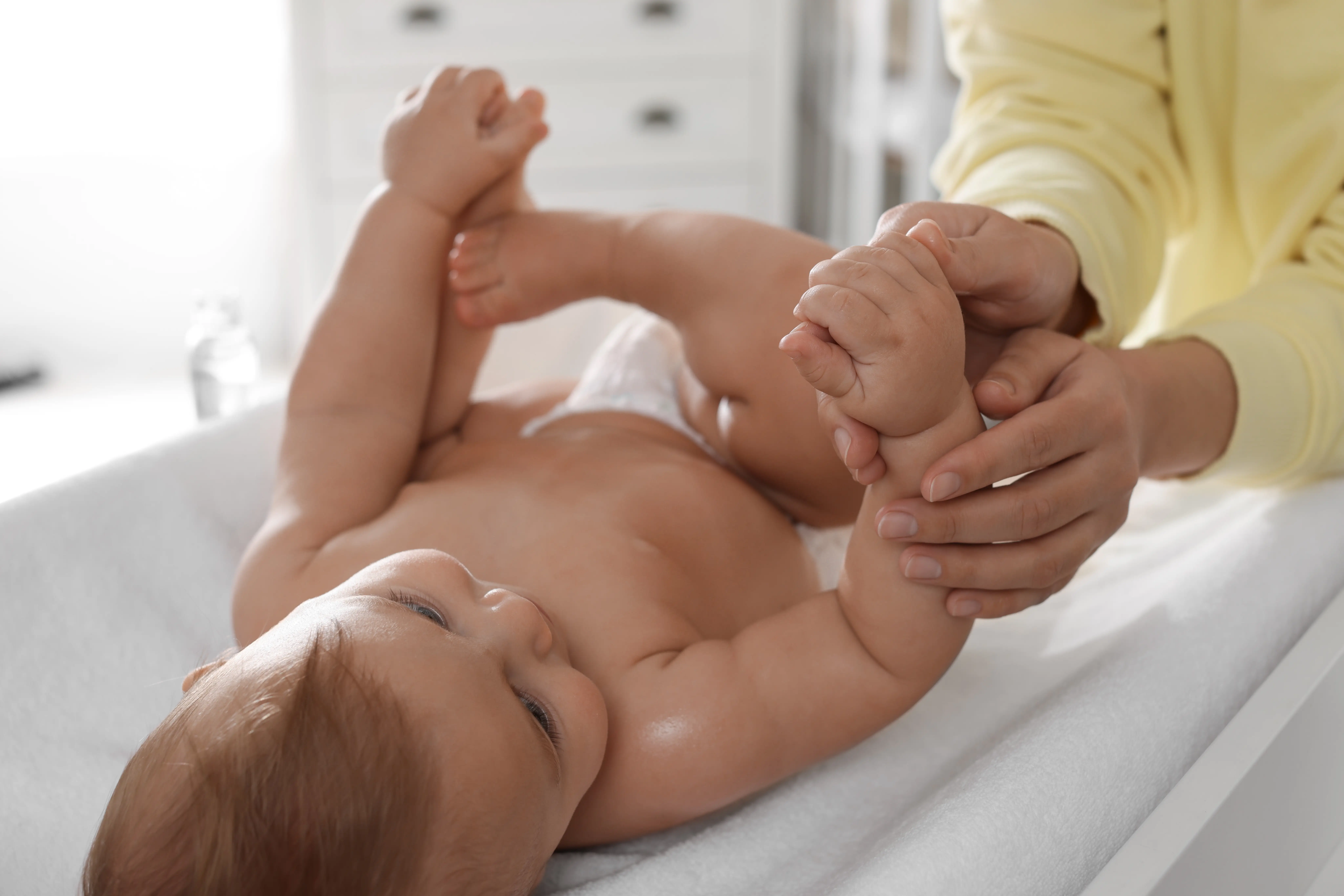
For new parents, even small choices, like picking an oil for your baby’s massage, can feel surprisingly important. You’ll hear plenty of suggestions, and olive oil often slips in because it is familiar, gentle in texture, and already trusted in many homes for everyday use. But what works beautifully for adults doesn’t always behave the same way on a newborn’s delicate skin (or does it?).
As research into infant skin continues to grow, paediatricians have a much better understanding of how oils interact with moisture, sensitivity, and the skin barrier. That’s why parents sometimes come across mixed opinions about olive oil. In this blog, we break down what current studies and experts actually say to help you feel more confident in choosing the best newborn massage oil.
Is Olive Oil Safe for Babies?
Olive oil is extracted from pressed olives and naturally contains vitamin E, polyphenols, squalene, and healthy fatty acids such as oleic acid. These components give it a smooth feel and help it work as an emollient, meaning it can soften and moisturise dry skin by reducing water loss.
Pure olive oil is widely used in skincare products and is generally regarded as safe to apply directly on the skin, including a baby’s, when used appropriately. Its vitamin E, anti-inflammatory properties, antioxidants and nourishing compounds such as squalene and oleocanthal support the skin’s natural repair process, are non-toxic and are typically well tolerated by most babies.
Many parents find that olive oil helps ease temporary dryness, flakiness or rough patches by forming a light, protective layer on the skin. Its squalene content can support a healthy skin barrier, and its antioxidants may help shield the skin from environmental stress. Some families use a small amount to loosen cradle-cap flakes or to replace baby wipes when the skin seems easily irritated, applying it with a soft cloth. Others find it helpful as a simple substitute for ointments or diaper rash creams when their baby has mild diaper irritation. If a little gets on your baby’s hands and they put their fingers in their mouth, it is not harmful.
Olive oil is generally well tolerated, but every baby’s skin is different. A small number of infants may show sensitivity, particularly if their skin is already compromised or very reactive. If you notice any redness or irritation after application, it is best to stop using it and speak with your paediatrician. When used with awareness and on healthy skin, olive oil remains a mild, natural choice that many parents find helpful in everyday baby care.
Benefits of Olive Oil Massage
While you already know that olive oil helps moisturise your baby’s dry, delicate skin, you might not know how it works. A baby’s skin loses moisture much faster than an adult’s. Olive oil, like Figaro Baby Massage Oil, spreads easily and absorbs well, reaching deeper layers of the skin and helping reduce moisture loss. This baby product is 100% natural, enriched with vitamin E, and free from parabens, mineral oil and strong fragrances. This dermatologically tested formula has been shown to improve skin moisturisation by 84% within 30 days.
Along with this, newborn baby oil massage offers several additional benefits:
- helps you bond with your baby through touch, closeness and play
- encourages more physical interaction and eye contact
- supports emotional comfort and may ease signs of infant anxiety
- helps lower stress hormones and promotes relaxation
- may soothe fussiness and reduce crying
- supports better sleep by calming the baby’s nervous system
- improves circulation, which helps oxygen and nutrients move through the body
- may encourage the release of growth-supporting hormones
- helps babies become more aware of their bodies through gentle movement and touch
- supports flexibility and muscle development as they grow
How to Massage Your Baby Effectively
Here’s how you can massage your little one effectively with baby oil:
- Warm a little newborn massage oil between your palms and begin with the legs. Glide your hands from thigh to ankle and back again.
- Use your thumbs to rub the feet, wiggling each little toe and stretching it as well.
- With a touch of oil, make small circles around the temples, then sweep down toward the ears and neck.
- Use soft, outward strokes in the face, keeping the oil very light around the eyes and mouth.
- Place the hands at the centre of the chest and gently sweep outward toward the sides.
- On the tummy, draw slow clockwise circles, beginning around the belly button.
- End with the back, running your hands along the sides of the spine and making gentle circles nearby.
Give your baby at least 45 minutes after a feed before starting the massage. Working on a full tummy makes them uncomfortable and may even cause them to spit up, which is not relaxing for either of you. It is also important to do a patch test of the baby oil on a small area of your baby’s skin, preferably on the arm or leg. Wait a few minutes to an hour to check for any skin reaction.
Conclusion
At the end of the day, choosing an oil for infant massage is about finding what keeps their skin happy and helps you both enjoy those quiet, connected moments. Olive oil can be a gentle, dependable option for many families, especially when you use it on healthy skin and do a quick patch test first.
Every baby reacts a little differently, so simply watch how your little one responds. With the best newborn massage oil and a calm routine, massage can become one of the sweetest parts of your day together.
Frequently Asked Questions (FAQs)
1. Which oil is best for newborn massage?
Figaro Baby Massage Oil is gentle and safe for newborns. Made with natural olive oil, it moisturises delicate skin, absorbs easily, and contains no parabens, mineral oil, or strong fragrances.
2. Is it safe to apply olive oil to my baby’s hair?
Yes, you can use a small amount to moisturise the scalp or loosen cradle-cap flakes. Apply lightly and rinse well to avoid buildup.
3. Does olive oil help with rashes?
It may soothe mild dryness or irritation, but it’s not ideal for all rashes. If redness worsens, stop using it and ask your paediatrician.
4. When should we start oil massage for a newborn baby?
You can usually start a gentle oil massage once your baby is a few days old and the umbilical stump has fallen off. If your newborn was premature or has very sensitive skin, check with your paediatrician before beginning.
5. What not to do while massaging a baby?
Do not massage immediately after a feed, with cold oil, using undue pressure, or near the eyes and mouth. Avoid massaging if your baby is ill, very tired, has a rash or broken skin, or appears uncomfortable at any time.