


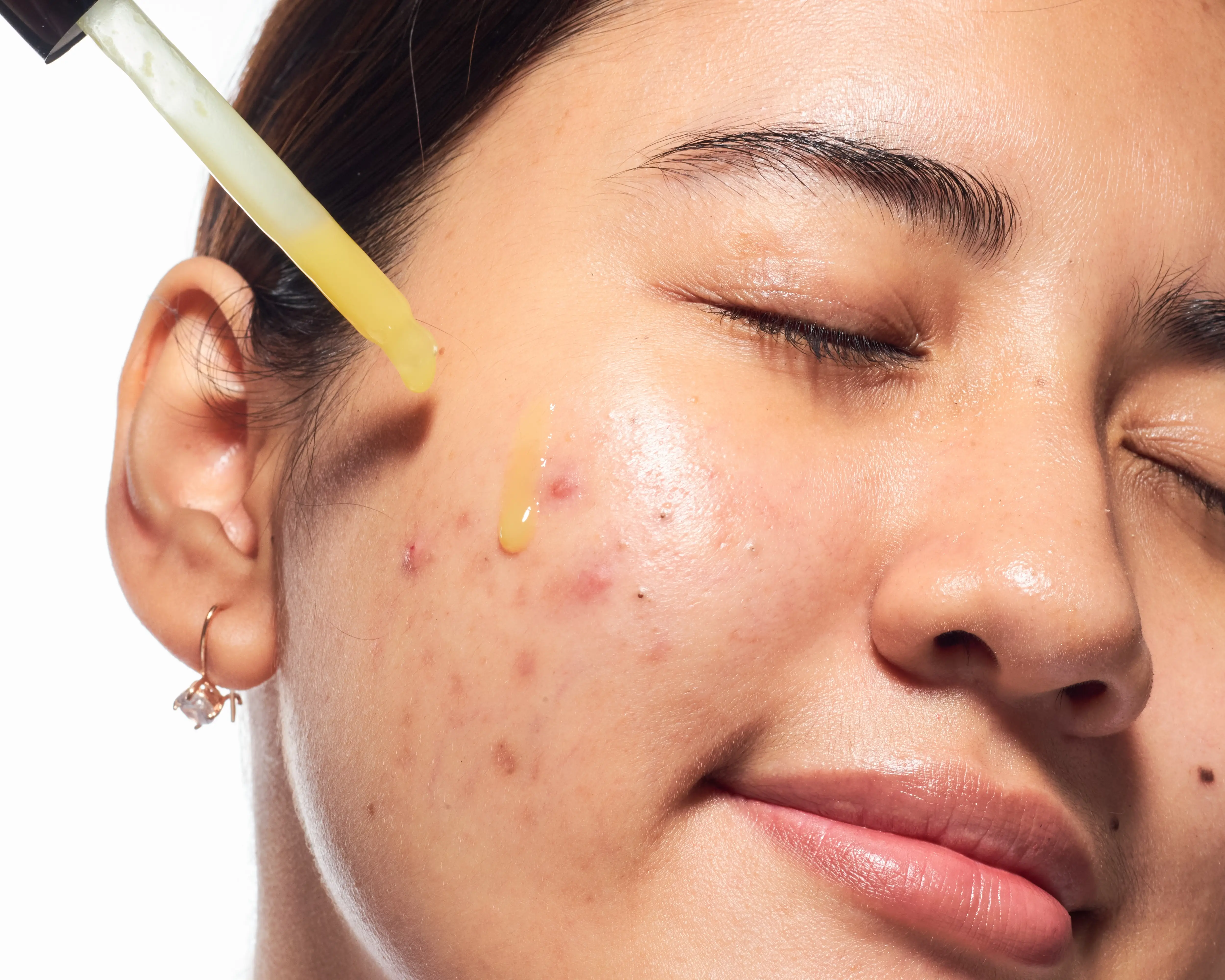
For years, grandmothers in small Mediterranean villages have been rubbing drops of olive oil into their hands and faces, swearing by its softening and nourishing properties. That very same small bottle has found its way onto modern bathroom shelves today as a natural remedy for dry skin and dullness, and even ageing.
Still, many of us have that nagging question: can something so rich really clog up your pores and cause breakouts? It’s not quite as simple as a ‘yes’ or ‘no’. Olive oil can be comedogenic on a moderate level for certain skin types, but when used thoughtfully, it can be a gentle and effective addition to your daily skincare routine.
What Does “Comedogenic” Mean?
You may have realised that the word “comedogenic” is used in skincare products, but its actual meaning is often unclear. Comedogenic basically refers to an ingredient or product that has the potential to clog pores.
The skin naturally produces sebum, a waxy secretion produced by the sebaceous gland. Sebum is essential for protecting, hydrating, and maintaining the skin’s barrier (aka stratum corneum). When sebum fails to flow freely through a pore, it can mix with dead skin cells, dirt, and other impurities, forming comedones.
Comedones are of two forms:
- Open comedones, more commonly known as blackheads, occur when the pores open to the skin’s surface
- Closed comedones, or whiteheads, are where the pores are completely sealed
While these are considered to be non-inflammatory forms of acne, sometimes they can develop into inflamed, red, painful breakouts if bacteria multiply in a clogged pore.
Skincare products and oils are rated on a comedogenic scale from 0 to 5, where 0 indicates non-comedogenic (unlikely to clog pores) and 5 indicates highly comedogenic (more likely to clog pores).
Here’s a table summarising the comedogenic scale:
| Comedogenic Level | What It Means |
|---|---|
| 0 | Non-comedogenic. Very unlikely to clog pores |
| 1 | Slightly comedogenic. Very low risk for most skin types |
| 2 | Low to moderate comedogenic potential. May clog pores for some, but is generally well-tolerated |
| 3 | Low to moderate risk of clogging pores, especially in oily or acne-susceptible skin |
| 4 | Likely to clog pores for most individuals |
| 5 | Extremely high chance of clogging pores and causing acne |
Knowing this term helps make smarter choices about which oils and moisturisers to use, mainly on your face.
Is Olive Oil Comedogenic?
Let’s give a straight answer. Yes, olive oil is considered mildly comedogenic. It rates around a 2 on the comedogenic scale in its pure form. This means it will work well on people with dry or normal skin, while those with oily or acne-prone skin may notice clogged pores or breakouts if it’s used too generously on the face.
That said, the benefits of olive oil for the skin are well known. It contains antioxidants, vitamin E, and essential fatty acids that help nourish and protect the skin. The oil is rich in antioxidants, vitamin E, and essential fatty acids that help nourish and protect the skin. When used correctly, it can be a useful addition to skincare routines without posing any problems to the skin.
How Olive Oil Interacts With Different Skin Types
1. Dry Skin
Dry skin tends to benefit the most from olive oil. Its rich fatty acids and moisturising properties help replenish the skin’s natural oils, providing hydration and a protective barrier. When applied sparingly, olive oil can leave the skin soft and smooth without causing breakouts.
2. Oily Skin
Oily skin is more prone to clogged pores, and this is where olive oil’s comedogenicity becomes a concern. Using it in large amounts can aggravate acne or blackheads. However, mixing olive oil with non-comedogenic products or using it as part of a cleansing oil routine (where it’s rinsed off) can help oily skin reap its benefits without risks.
3. Combination Skin
Combination skin needs to be balanced. Olive oil can be used on the dry areas, such as the cheeks, but it’s best to avoid the T-zone (nose and forehead), where skin tends to produce more sebum and is likely to break out.
4. Sensitive Skin
Olive oil is generally gentle and has anti-inflammatory properties, which makes it ideal for use on sensitive skin. However, patch testing is recommended.
Potential Benefits of Olive Oil for Skin
Olive oil is slightly comedogenic, yes, that is correct. But why is it still recommended by many people, and why is it still used on the face despite its comedogenic properties? The reason is its unique composition and usage. With appropriate usage, this “liquid gold” has many benefits that make it worthwhile for the skin.
Some of the benefits of olive oil for the skin include the following:
• Moisturisation:
Olive oil is rich in fatty acids, such as oleic acid, palmitic acid, and linoleic acid, that help lock in moisture to soothe and support dry skin. The oil also acts as an emollient, forming a protective barrier on the skin that softens rough patches, smooths texture, and helps prevent moisture loss and dryness.
• Antioxidant Protection:
Olive oil also has antioxidants, including vitamin E and polyphenols, which help protect the skin from free radical damage and sun-related stress. Over time, this protection can support healthier-looking skin and help reduce signs of early skin ageing.
• Anti-Inflammatory Effects:
Olive oil has natural ingredients that calm the skin and soothe irritation. These qualities make olive oil a comforting choice for the skin when it feels red, puffy, or tight, therefore making it a natural choice for people with sensitive or compromised barrier skin.
• Healing Properties:
For many years, olive oil has been used to support the skin’s natural repair process. The moisturising properties of olive oil can help parched or damaged areas become smoother, while its protective properties can aid minor irritations.
• Makeup Removal:
Olive oil used in an oil-cleansing routine helps break down makeup, sunscreen, and surface impurities effectively. It sweeps away buildup without stripping the skin of its natural oils, leaving the skin feeling comfortable rather than tight.
How To Apply Olive Oil
● Always start with a patch test. Apply a small amount behind the ear or on the inner arm to check for skin reactions.
● Use olive oil sparingly. Just a few drops are enough to moisturise without overwhelming the skin.
● Apply it after serums or water-based products to help lock in the moisture.
● For a lighter texture, mix olive oil with moisturiser. Applying it to damp skin can improve absorption.
● Concentrate on the dry or flaky skin, and steer clear of the T-zone if you have oily skin.
● Olive oil can also be used to remove makeup and sunscreen, followed by a gentle skin cleanser.
● Choose a high-quality olive oil that is free from additives and unnecessary processing.
Conclusion
Olive oil is a natural, nutrient-rich oil with multiple benefits for the skin. It’s only moderately comedogenic, so using it carefully can help you enjoy its moisturising, antioxidant, and soothing properties safely. Dry skin reaps the most benefit, but oily and combination skin types should apply it only to selected areas or mix it with a non-comedogenic product. Ultimately, olive oil can be an asset in your skincare routine if used thoughtfully.
Frequently Asked Questions (FAQs)
1. Is Olive Oil Pore Clogging?
Olive oil has mild comedogenic properties. This means that it may clog your pores should you overdo it.
2. Is Olive Oil Good for the Face?
Yes, olive oil can be applied to the face, particularly on dry and sensitive skin. People with oily or acne-prone skin should apply it cautiously and only on the dry parts.
3. Does Olive Oil Cause Acne?
Olive oil, like many oils, can clog pores if used too much, contributing to acne. Using small amounts and applying only to areas needing moisture reduces the risk.
4. How Often Can You Apply Olive Oil on Skin?
Applying olive oil 1-2 times daily is usually adequate. Overapplication can increase the risk of clogged pores, especially in oily or combination skin.